Welcome to our comprehensive Costa Rica travel guide, where your dream adventure starts to take shape! When we started planning our first trip to Costa Rica, we had a million questions running through our minds. Do we need a passport? What’s the best time to visit? Where should we even start?
After spending countless weeks exploring the stunning west coast, from the golden beaches of Guanacaste down to the lush jungle vibes of Uvita, we’ve learned a thing or two about making the most of this incredible country. Costa Rica has even become our absolute favourite destination.
There’s something magical about a place where you can zipline through cloud forests in the morning, scuba dive with sea turtles in the afternoon, and watch the sunset from a secluded beach in the evening.
This Costa Rica travel guide is designed to help you plan every aspect of your journey, from building your Costa Rica travel itinerary to understanding costs, safety, and the best experiences waiting for you. Let’s get to it.
Note: All prices are in USD, unless otherwise noted.
Out Roaming Life contains affiliate links and is a member of the Amazon Services LLC Affiliate Program.
If you make a purchase using one of our links, we may receive compensation at no extra cost to you.
We only recommend products and services we trust. Read our disclaimer for more information.

Do You Need a Passport to Go to Costa Rica?
Yes, you’ll need a valid passport to visit Costa Rica. Your passport should be valid for at least six months beyond your planned departure date from the country. We always recommend checking this well before your trip. The last thing you want is a surprise at the airport.
US, Canadian, UK, Australian, and EU passport holders don’t need a visa for stays up to 180 days (increased from 90 days in September 2023), which gives you plenty of time to explore. When you arrive, immigration officials will stamp your passport with your permitted stay duration. Keep this safe because you’ll need to show it when you leave.
Pro Tip
Make copies of your passport (both physical and digital) and store them separately from the original. This is always part of our standard travel routine.
When is the Best Time to Go to Costa Rica?
The best time to go to Costa Rica really depends on what kind of experience you’re after, and honestly, there’s no wrong answer here. This is one of the most common questions in any Costa Rica travel guide because timing can significantly impact your experience.
Dry Season (December to April)
If you’re dreaming of endless sunshine and perfect beach days, the dry season is calling your name. These are the best months to visit Costa Rica if you want guaranteed good weather. The Pacific coast gets minimal rain, the surf is incredible, and you can plan outdoor activities without worrying about afternoon downpours.
We’ve spent several weeks in Guanacaste during January and February, and let me tell you, those clear blue skies and warm ocean temperatures were perfect.
The trade-off? This is peak season, so expect higher prices and more crowds at popular spots. Tourist towns like Tamarindo and Manuel Antonio get busy, especially around Christmas, New Year’s, and Easter.
Planning to visit during these good times to go to Costa Rica? Book your accommodations well in advance, especially around holidays.
Green Season (May to November)
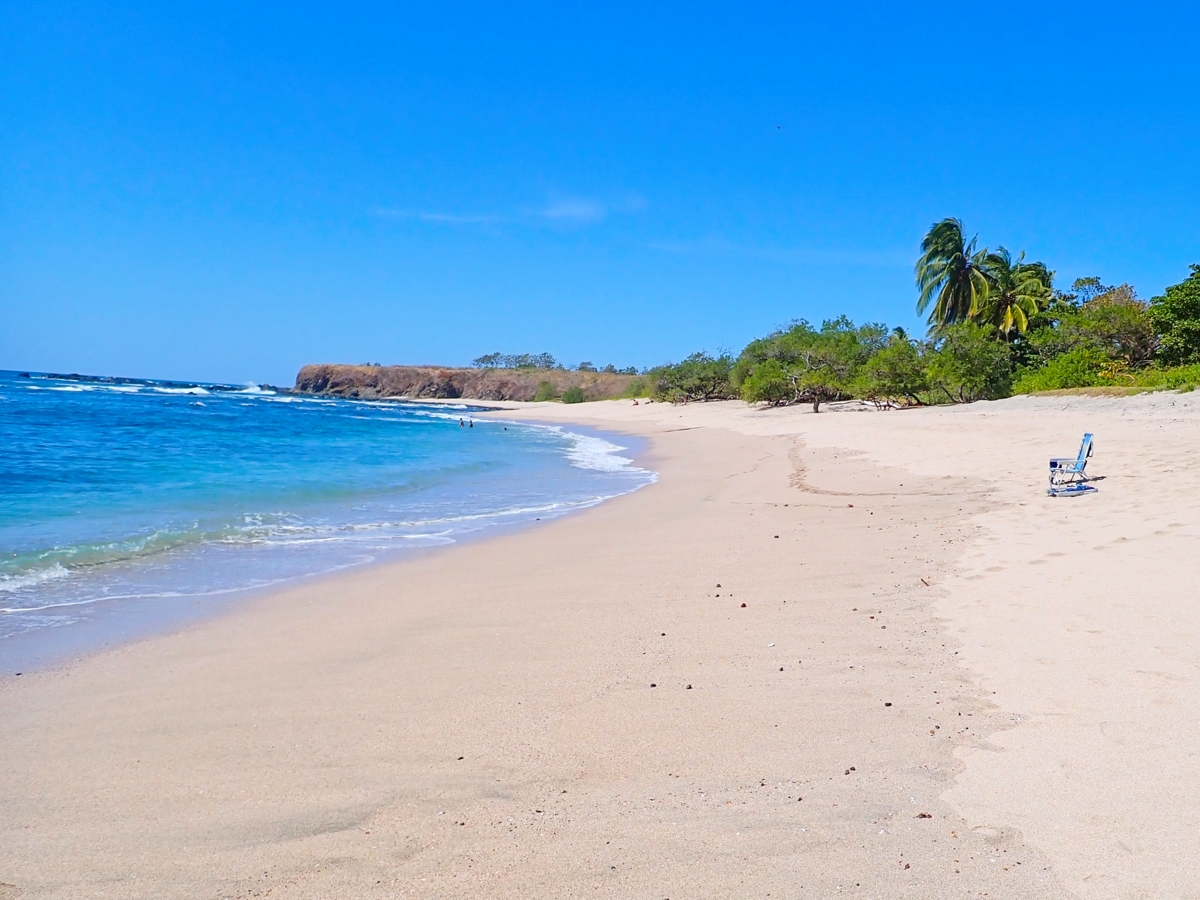
Here’s a secret many travellers don’t know: the rainy season (also called the green season) is an amazing time to visit. When best to visit Costa Rica if you want lush landscapes, fewer tourists, and better prices? Right here.
The rain typically comes in short afternoon bursts, leaving your mornings free for adventures. The forests are incredibly vibrant, waterfalls are at their most impressive, and wildlife is everywhere. Plus, accommodation, flights, and car rental prices drop significantly, and you’ll have beaches practically to yourself.
We loved visiting during the shoulder months of May-June. You get the best of both worlds: the landscape is getting beautifully green from the rains, but you avoid the heaviest downpours of September and October. We’ve heard November is similar as well.
Year-Round Wildlife
Wildlife enthusiasts, listen up! Costa Rica is incredible any time of year. The dry season offers clearer visibility for spotting animals, while the wet season brings migratory birds and sea turtle nesting.
We’ve seen sloths, monkeys, toucans, and scarlet macaws during both seasons. The country’s biodiversity is mind-blowing no matter when you visit.
Best Places to Visit Costa Rica for First-Timers
Where should I go for the first time in Costa Rica? This is the question we get asked most and it’s a good one.
The country is small, but packed with diverse experiences. When building your Costa Rica travel itinerary, consider including these incredible destinations we’ve explored and fallen in love with.
Guanacaste and the Nicoya Peninsula
The northwest Pacific coast became our home away from home and it’s perfect for a first-time visit to Costa Rica. Guanacaste offers stunning beaches, incredible surf spots, and easy access to adventures.
We spent weeks exploring different beach towns, each with its own personality. We never got bored because there’s so much variety packed into this region.
Tamarindo is great if you want a mix of surf culture, restaurants, and nightlife with a lively atmosphere. Just north, Playa Grande is the quieter neighbour, famous for leatherback turtle nesting and excellent surfing with far fewer crowds.
Playa Conchal and Playa Flamingo offer pristine white sand and turquoise waters perfect for snorkelling and swimming in calm, protected bays.
For something quieter and more bohemian, head to Santa Teresa or Nosara on the Nicoya Peninsula, where yoga retreats meet world-class waves.
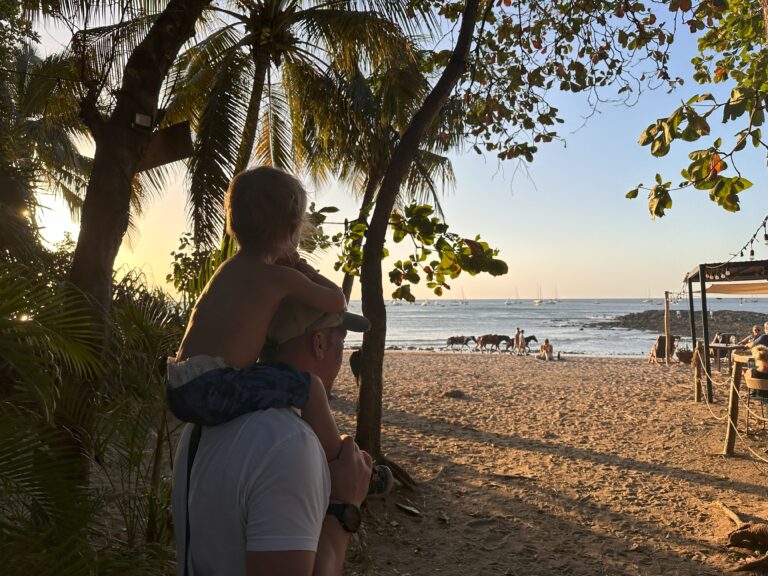
Playa Sámara, tucked along the eastern coast of the peninsula, is a family-friendly gem. Here you’ll find calm waters, and some of the best sunsets we’ve seen in Costa Rica. There’s an abundance of quaint places to stay, great eateries, and genuine local vibes found right here!
The best part? You can base yourself in one spot and take day trips to national parks, waterfalls, and hot springs without feeling rushed. We rented a car and had the freedom to discover hidden beaches, explore quiet coastal roads, and stumble upon local sodas (small family-run restaurants) that weren’t in any guidebook.
The variety of beaches within driving distance means you can surf at one spot in the morning, snorkel at another in the afternoon, and watch sunset from somewhere completely different.
Manuel Antonio National Park
This small national park on the central Pacific coast is an amazing destination in Costa Rica. It consistently ranks as one of the country’s most visited parks for good reason. Picture dense rainforest trails where you’ll spot monkeys swinging through the trees, sloths hanging lazily from branches, and colourful toucans perched in the canopy.
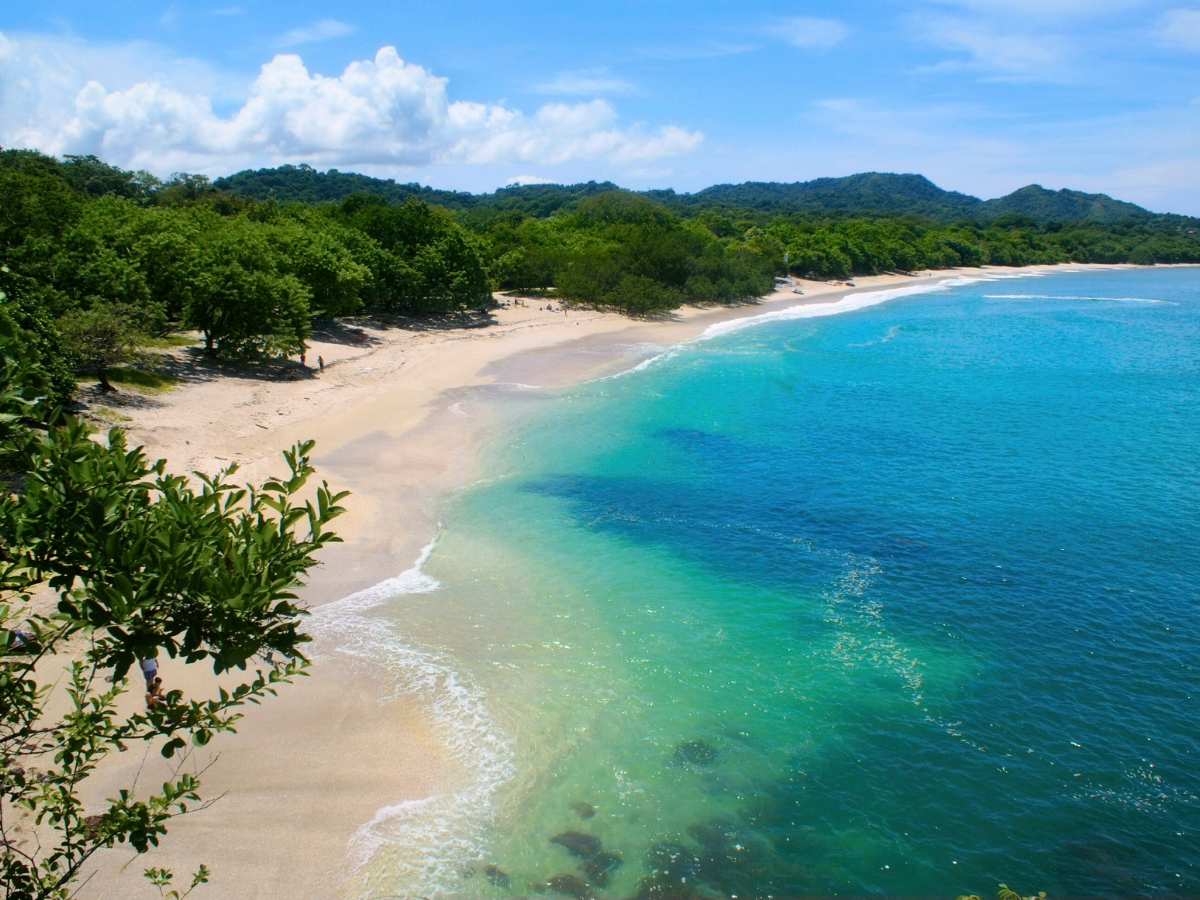
The white sand beaches within the park are postcard-perfect, with calm turquoise waters ideal for swimming and snorkelling. Manuel Antonio is one of the best places to go to Costa Rica if you want wildlife and beaches in one compact area.
The trails are well-maintained and relatively easy, making it accessible for families and casual hikers. Arrive early in the morning to beat the crowds and see the most active wildlife as the park limits daily visitors to protect the ecosystem.
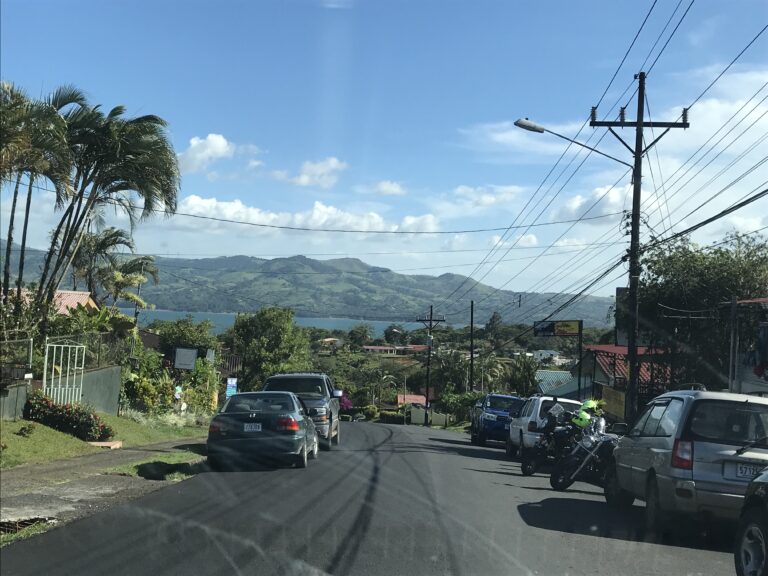
The town itself (Quepos and Manuel Antonio) has excellent restaurant options and accommodations ranging from budget hostels to luxury resorts. The road from Quepos up to Manuel Antonio winds steeply through the hills, offering stunning ocean views at every turn. We recommend staying at least 2-3 nights to fully enjoy both the park and the laid-back beach town atmosphere.
Pro Tip
Keep an eye on your belongings at the beach! The monkeys and raccoons are notorious thieves. We’ve watched them snatch unattended bags and food right before our eyes. Take turns swimming so someone always stays with your stuff… Trust us on this one!
Arenal Volcano and La Fortuna
La Fortuna sits at the base of the iconic Arenal Volcano and offers a completely different vibe from beach towns. Here, you’ll find hot springs, hanging bridges through the rainforest canopy, and waterfall hikes.
The Tabacón hot springs are particularly incredible, especially after a day of adventure. It’s definataely a splurge, but if you’re looking to treat yourself, soak in the springs and enjoy a gourmet lunch or dinner as well!
If Tabacón’s price tag feels steep, consider Baldi Hot Springs for a fun, resort-style experience with pools and slides. Ecotermales Hot Springs is great for a more tranquil soak and they cap visitor numbers, so it feels peaceful and uncrowded.
We also discovered an amazing hot springs spot that’s way less crowded and FREE. You can discover the location in our hidden gems guide available by entering your info below.
We love this area for its lush jungle scenery and the sheer variety of activities packed into one region. It’s a long drive from the Pacific Coast (4-ish hours), but definitely worth adding to your itinerary if time permits.
Plan for a minimum of 3 nights here to really explore. This is another reason why renting a car in Costa Rica is such a game-changer!

Monteverde Cloud Forest
If you’ve ever wanted to walk through the clouds, Monteverde is your spot. Located high in the mountains, this mystical region sits at elevations where clouds literally roll through the forest canopy. The hanging bridges give you a bird’s-eye view of the canopy and the biodiversity is staggering.
Ziplining here has you flying through the mist with nothing but green in every direction. It’s an experience you’ll never forget. Some lines stretch over a kilometre long, soaring above the cloud forest at exhilarating speeds.
To best spot wildlife, we recommend hiring a guide for the reserve trails since they’ll spot wildlife you’d never see on your own, including sloths, glass frogs, and the stunning resplendent quetzal.
The roads getting here are rough and winding, so factor in 3-4 hours from Guanacaste. The charming town of Santa Elena has excellent coffee shops and restaurants, plus amazing coffee tours worth adding to your itinerary.
Pro Tip
Bring layers and waterproof gear since temperatures drop significantly compared to the beaches.
Uvita and the Southern Pacific
Uvita sits along the Whale’s Tail (Marino Ballena National Park), where the beach forms a natural whale tail shape at low tide. This is one of the most unique coastal formations we’ve ever seen.
This area is even quieter and more laid-back than the northern beaches, with a genuine small-town feel. We loved the jungle meets ocean vibe here, where howler monkeys wake you up in the morning and you can walk to pristine beaches in minutes.
The region is famous for humpback whale watching, with two migration seasons (July-October and December-March) making it one of the best places in the world to see these magnificent creatures. You can also explore waterfalls like Nauyaca Falls, go snorkelling at Caño Island, take an off-shore scuba diving tour, try surfing at Playa Uvita, or simply relax on uncrowded beaches.
The nearby towns of Dominical and Ojochal offer great surf, yoga retreats, and an eclectic food scene with surprisingly gourmet options. This area is perfect if you want to escape the crowds and experience an even slower-paced Costa Rica.
The drive from Manuel Antonio takes about 1.5-2 hours along a scenic coastal road. Plan for at least 3-4 nights here if you want to fully embrace the Pura Vida lifestyle and explore the surrounding waterfalls and beaches.
San José
San José, Costa Rica’s capital and largest city, serves as the main transportation hub with the country’s primary international airport (Juan Santamaría). Most travellers use it as a brief stopover, but the city does offer cultural attractions like the National Theatre, Pre-Columbian Gold Museum, and Central Market.
The surrounding Central Valley has cooler temperatures and is home to coffee plantations and charming mountain towns like Escazú.
The city itself has a more urban, bustling atmosphere compared to Costa Rica’s natural attractions and beach towns. Traffic can be heavy and navigating San José by car is challenging, so many visitors prefer to stay near the airport or skip the city altogether.
If you do spend time here, the neighbourhoods of Escazú and Santa Ana offer upscale dining, shopping, and a more polished experience.
Many travellers fly in and immediately head to their first destination, saving San José for a final night before departure if their flight time requires it. The city is well-connected to other regions via shuttles and domestic flights if you prefer to skip driving through it.
Caribbean Coast
Costa Rica’s Caribbean side offers a completely different experience from the Pacific coast. Here you’ll discover Afro-Caribbean culture, reggae vibes, and an even more relaxed atmosphere. The main destinations include Puerto Viejo, Cahuita, and Tortuguero, each offering unique experiences from surfing and snorkelling to turtle nesting tours.
Puerto Viejo is the most popular town. It’s known for its laid-back beach culture, excellent Caribbean cuisine, and proximity to stunning beaches like Playa Cocles and Punta Uva. Cahuita National Park offers accessible jungle trails and great snorkelling, while Tortuguero is famous for its canal tours and sea turtle nesting sites.
The food here differs significantly from the rest of Costa Rica, with influences from Jamaican and Afro-Caribbean cooking. A mix of foods like rice and beans cooked in coconut milk, patties, and fresh seafood.
Getting to the Caribbean coast requires more travel time from San José (4-5 hours to Puerto Viejo, longer to Tortuguero which requires boat access). Also, keep in mind that the region receives more consistent rainfall year-round, creating lush jungle landscapes and a distinctly tropical feel (but also potentially the need for a 4×4).
The region sees fewer international tourists than the Pacific side, offering a more authentic local experience. If you’re looking for something different from the typical Costa Rica beach experience, the Caribbean coast delivers with its unique cultural flavour and untouched natural beauty.
What to Do in Costa Rica: Our Favourite Experiences
No Costa Rica travel guide would be complete without highlighting the incredible adventures waiting for you. Here’s what we absolutely loved and recommend for your Costa Rica travel itinerary.
Surf the Waves
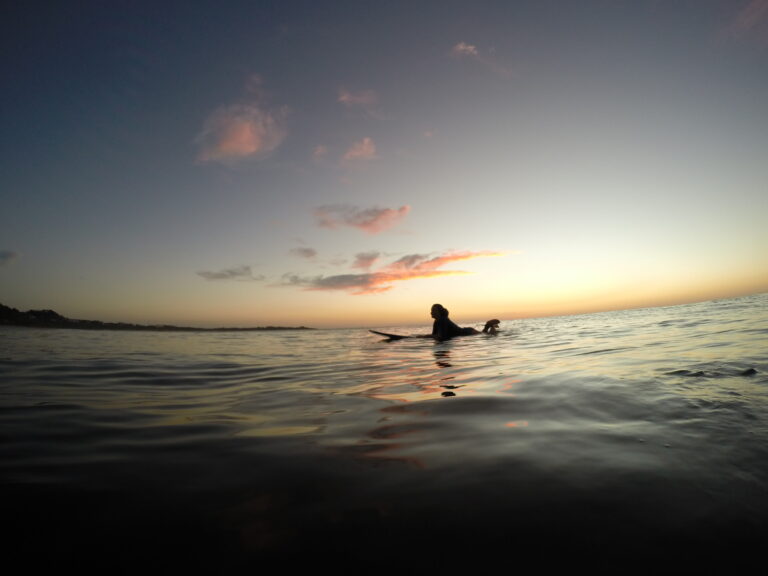
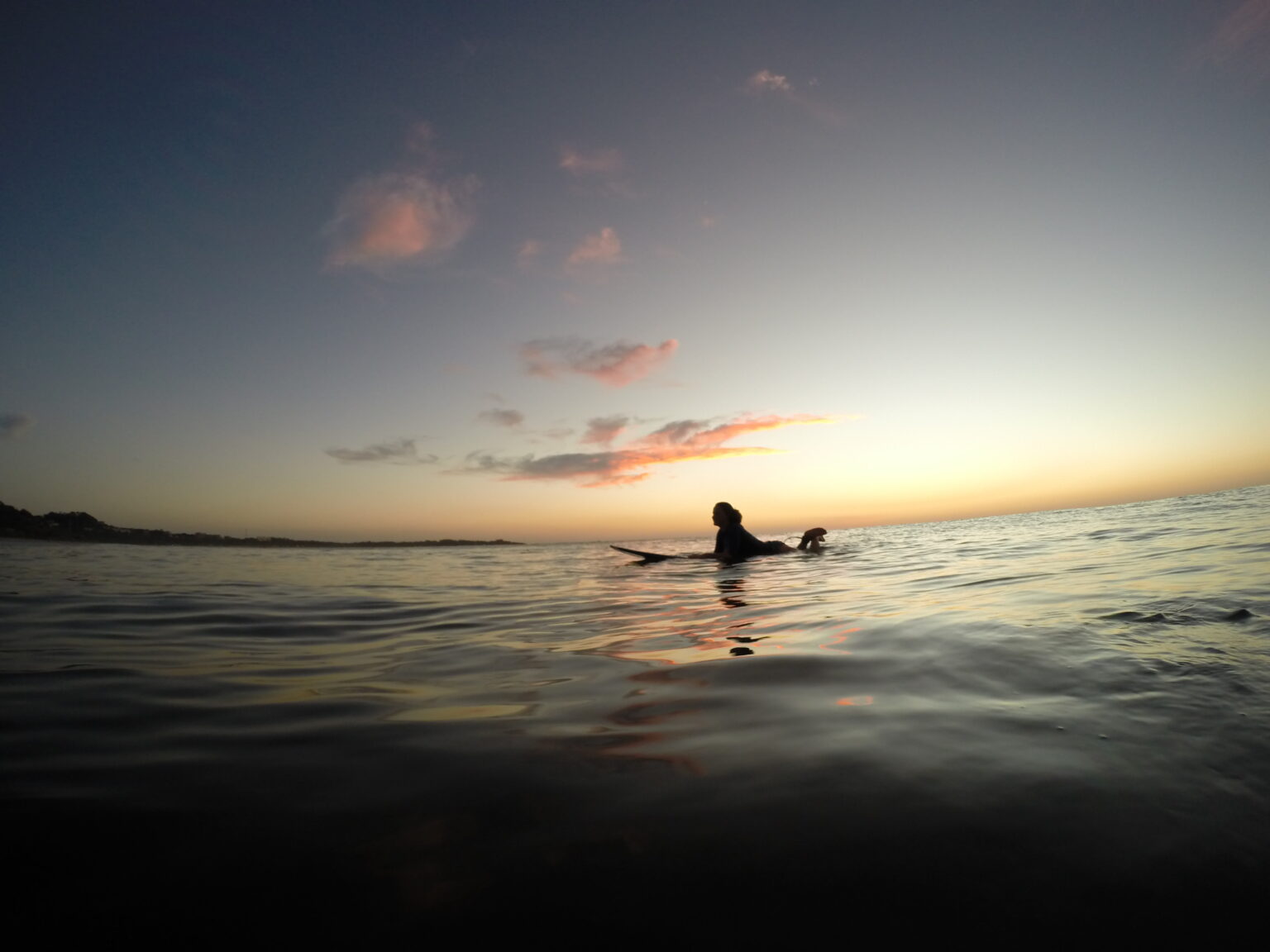
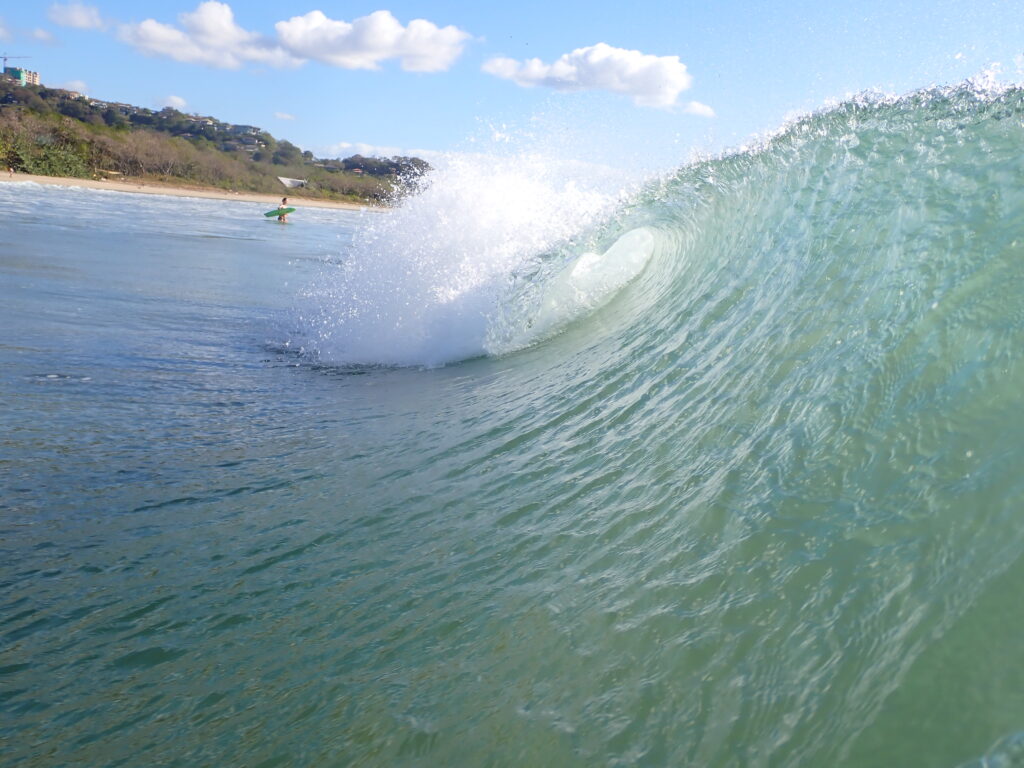
Whether you’re a beginner or an experienced surfer, Costa Rica’s waves are legendary. We learned to surf at Playa Grande (near Tamarindo) and Playa Guiones (Nosara), and spent hours playing in the warm Pacific waters.
In our opinion, Playa Grande is the best spot for beginners as the waves are consistent (but not too consistent that you have no breaks) and you don’t have to go out far to catch them. Honestly, even if you spend more time falling off your board than riding it, you’ll have a blast.
Zipline Through the Canopy
Ziplining in Costa Rica isn’t just an activity; it’s a rite of passage. Your heart will race as you soar above the treetops, and the views are absolutely breathtaking. This is one of those must-do experiences in Costa Rica!
Scuba Dive and Snorkel
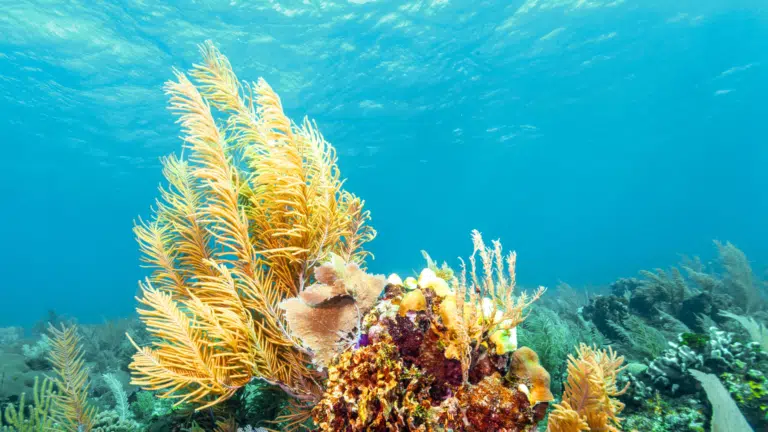
The underwater world along Costa Rica’s Pacific coast is decent, though it isn’t the clearest or most vibrant we’ve experienced compared to other diving destinations. That said, it does offer opportunities to see tropical fish, sea turtles, rays, and larger marine life like white-tip reef sharks and the occasional manta ray. The best visibility is typically during the dry season (December-April).
The Catalina Islands near Tamarindo are among the best sites for diving, with multiple dive sites featuring rock formations, coral patches, and reliable marine life encounters.
Isla del Caño, off the coast near Uvita and Drake Bay, is considered one of the top diving and snorkelling spots in Costa Rica. It has pretty good visibility and abundant marine life including dolphins, turtles, and even whale sharks during certain seasons. Caño Island requires a boat tour, but is worth it if you’re serious about underwater exploration.
If you’re not certified for diving, snorkelling at Playa Conchal, Manuel Antonio, or around the reefs near Isla Tortuga offers encounters with colourful fish and sea turtles. The calm, protected waters of Playa Flamingo and Playa del Coco can also provide good snorkelling conditions for beginners.
For the most memorable experience, we recommend booking a boat tour that takes you to offshore sites where the water is clearer and marine life more abundant than beach snorkelling.
Hike to Hidden Waterfalls
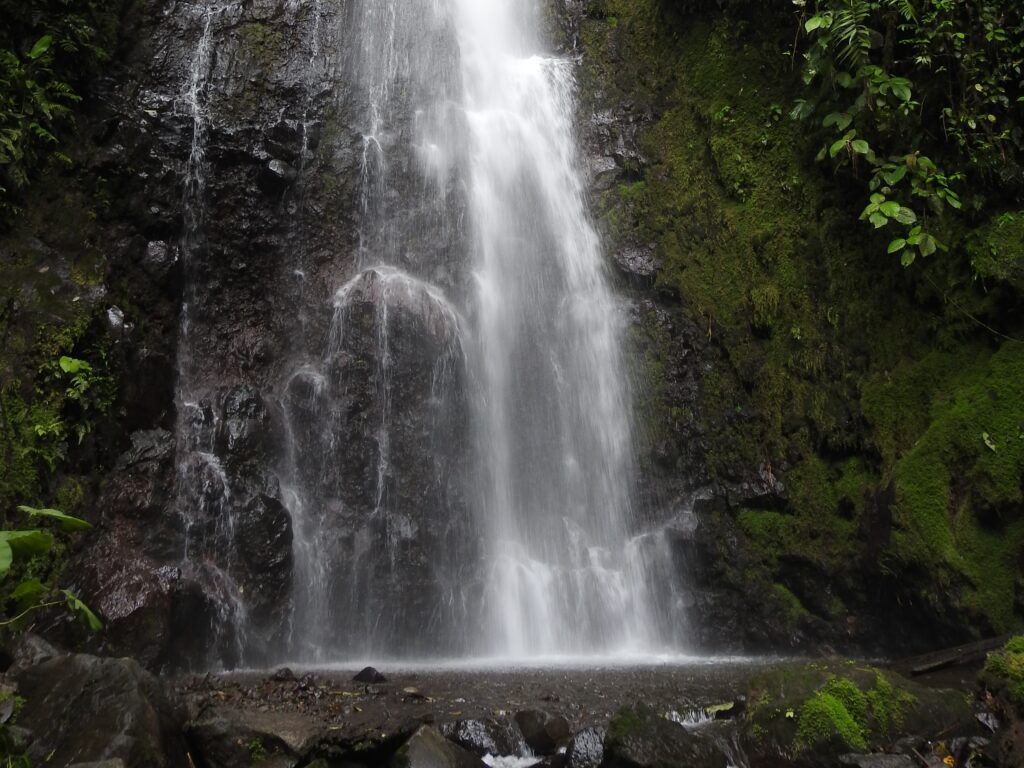
Costa Rica is waterfall heaven. We’ve hiked to countless cascades, from the famous La Fortuna Waterfall (bring your bathing suit for a refreshing swim) to smaller, hidden gems we stumbled upon while driving backroads. There’s something special about hiking through the jungle and being rewarded with a pristine waterfall all to yourself.
Experience a Yoga Retreat
Nosara has become internationally known for its yoga scene and for good reason. Even if you’re not planning a full retreat, dropping into a class with ocean views and howler monkeys providing the soundtrack is an unforgettable experience.
Visit Hot Springs
After days of hiking and adventures, soaking in natural hot springs feels like heaven. The Tabacón hot springs near Arenal are the most famous (and most luxurious), but there are also free public options if you’re travelling on a budget.
Subscribe to get your free guide to hidden gems in our favourite destinations, which includes the free hot springs near La Fortuna!
Where to Stay in Costa Rica
Choosing accommodations is a crucial part of any Costa Rica travel guide. Costa Rica offers something for every style and budget, from backpacker hostels to luxury eco-resorts.
Budget Accommodations
Hostels, basic cabinas (simple cabins), and budget hotels typically run around $50 USD per night. Many offer shared kitchens, which is great for saving money on meals. Popular beach towns like Tamarindo, Santa Teresa, and Puerto Viejo have plenty of budget options.
Mid-Range Options
This is the sweet spot for most travellers. For $70-$250 per night, you’ll find boutique hotels, comfortable vacation rentals, and charming guesthouses. These usually include air conditioning, Wi-Fi, sometimes breakfast, and often a pool.
We typically book mid-range places because they offer great value without sacrificing comfort after long days of exploring.
Luxury Stays
If you’re ready to splurge, Costa Rica’s luxury scene is incredible. Think private villas with infinity pools overlooking the ocean, world-class resorts with spa services, and personalized experiences.
Prices start around $300 and can reach into the thousands for ultra-exclusive properties. The service and attention to detail at these properties is exceptional.
Eco-Lodges
One of our favourite things about Costa Rica is the emphasis on sustainability. Eco-lodges blend luxury with environmental responsibility, often using solar power, rainwater collection, and locally sourced materials.
Prices range from $75-$600+ per night depending on the level of luxury. These stays let you immerse yourself in nature while supporting conservation efforts.
Pro Tip
We always look for places with kitchens or kitchenettes. Even if we don’t cook every meal, having the option to make breakfast or pack snacks for day trips saves money and gives us more flexibility. This is especially true when travelling with children!
Costa Rica Currency and Money Matters
Understanding money matters is essential when using this Costa Rica travel guide. The official Costa Rica currency is the colón (CRC), but US dollars are widely accepted throughout tourist areas.
Using Colones vs. US Dollars
We typically carry both currencies. Smaller local businesses, sodas, and markets often prefer colones and give better exchange rates. Tourist-oriented businesses usually accept either currency, though they will likely give you change in colones even if you pay in US dollars.
ATMs are everywhere in tourist towns and cities, and most accept international cards. We found withdrawal fees reasonable and the exchange rate is typically better than exchanging cash before your trip. Just notify your bank before travelling to avoid any card blocks.
Credit Cards
Most restaurants, hotels, and tour operators accept credit cards, as do many shops. We used our travel credit card for most major purchases to earn points and avoid carrying large amounts of cash.
Just be aware that some places add a small surcharge for card payments.
Tipping Culture
A 10% service charge is automatically added to most restaurant bills in Costa Rica, which covers gratuity. If service was exceptional, leaving an extra 5-10% is appreciated but not expected.
For hotel staff, $1-2 USD per service is often recommended. Tour guides and drivers appreciate $5-20 USD depending on the length and quality of the experience.
Tipping isn’t mandatory, but these folks work hard to make your experience special, so it’s appreciated when service has been great.
Is Costa Rica Safe?
This is always one of the top questions people ask us and we’re happy to share our honest experience: yes, Costa Rica is generally very safe, especially compared to other Central American countries.
Our Personal Experience
We’ve spent weeks exploring Costa Rica; driving ourselves to remote beaches, checking out hiking trails, and wandering through cities. We’ve always felt comfortable.
The country has a stable government, no military (they abolished it in 1949), and tourism is a major part of the economy, so there’s a vested interest in keeping visitors safe.
Common Sense Precautions
That said, we always follow basic safety practices:
- Don’t leave valuables visible in rental cars (break-ins do happen in parking areas, especially near tourist hot spots like beaches and waterfalls)
- Use hotel safes for passports, extra cash, and electronics
- Avoid walking alone late at night in unfamiliar areas
- Be cautious with your belongings on crowded buses
- Don’t swim in unguarded areas with strong rip currents
Nature Safety
The biggest “dangers” in Costa Rica are actually natural ones.
Rip currents at some beaches can be strong, so always check conditions before swimming and stay near lifeguard stations when possible. We also learned to shake out our shoes before putting them on (scorpions, spiders, and even crabs can hide there) and to watch where we step on trails.
Overall, we’ve found Costa Ricans (Ticos) to be incredibly friendly and helpful. We’ve never felt threatened or uncomfortable during our time there.
Getting Around Costa Rica
Transportation in Costa Rica is part of the adventure, and you have several options depending on your budget and travel style.
Renting a Car in Costa Rica (Our Top Recommendation)
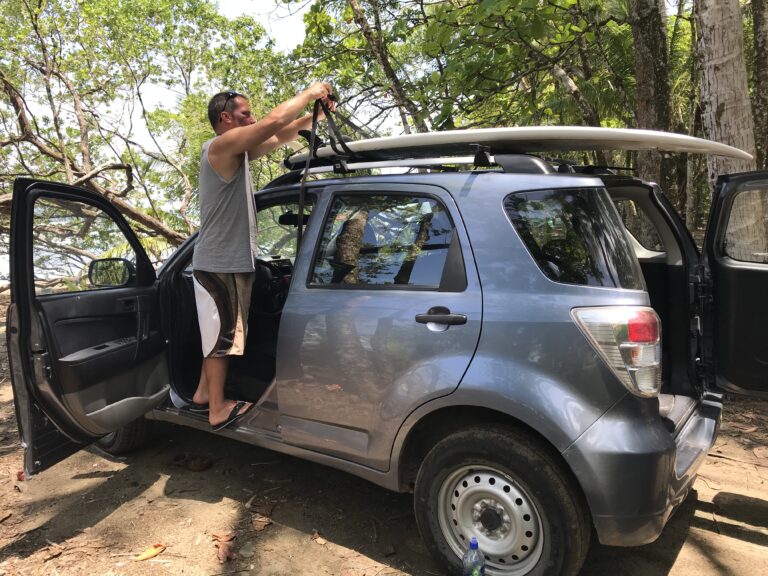
We absolutely recommend renting a car in Costa Rica. The freedom to explore at your own pace, stop at roadside fruit stands, discover hidden beaches, and adjust your Costa Rica travel itinerary on the fly is priceless. Economy cars run $25-$60 per day, while 4x4s cost $60-$150.
Here’s the catch that surprises many first-timers: Costa Rica requires mandatory insurance that isn’t included in the base rental rate. This can add $15-$30 per day to your costs. We have a detailed blog post explaining the insurance situation so you can go informed and budget for it when planning.
A 4×4 isn’t always necessary, especially during dry season and if you’re sticking to main tourist routes. Recent road improvements have made many areas accessible with regular cars.
That said, we opt for 4x4s when available in case we end up exploring more remote areas. We highly recommend them during rainy season, and the extra clearance and traction are worth it.


Shared and Private Shuttles
If you don’t want to drive, shuttle services are reliable and comfortable. Shared shuttles ($30-$50 per person) connect major tourist destinations and are air-conditioned.
Private shuttles ($120-$250 one-way) offer door-to-door service and flexibility with timing. We’ve used both and found them professional and punctual.
Public Buses
Public buses are incredibly affordable ($1-$5 per ride) and a great way to travel like locals do. They connect most towns and cities, though schedules can be infrequent and buses can get crowded.
We’ve taken public buses for shorter routes and enjoyed the experience, but for longer distances or with luggage, we prefer shuttles or driving ourselves.
Taxis and Uber
Official red taxis are available in cities and large tourist towns. They’re metered in San José and other cities, but in beach towns, you often negotiate the fare upfront. Short city trips run $5-$15. Airport rides can cost $50-$100 depending on your destination.
Uber operates in San José and some tourist areas, though it’s not entirely legally established in Costa Rica. Despite this, it’s become popular with locals and tourists alike. Prices are generally lower than taxis ($5-$25 for most rides).
ATV Rentals
Want to explore rugged terrain and reach secluded beaches? ATV rentals ($50-$100 per day) are popular in beach towns.
We’ve rented them a few times and had a blast cruising along coastal roads and dirt paths. Just make sure you’re comfortable operating one and always wear the provided helmet.
Planning Your Budget: What Does Costa Rica Really Cost?
One of the most important sections in any Costa Rica travel guide is understanding costs. Here’s a realistic breakdown of prices to help you plan. Estimated budget is per person, per day in USD.
Budget Travel ($45 to $100)
- Accommodation: Budget hostels, camping, or shared rooms ($25-$50)
- Food: Eat at sodas, cook your own meals, street food ($15-$30)
- Transportation: Public buses, walking ($5-$10)
- Activities: Free beaches, self-guided hikes, minimal paid tours ($0-$10)
This works if you’re backpacking, staying in hostels, and keeping things simple. We’ve met plenty of travellers doing Costa Rica on this budget and having amazing experiences.
Mid-Range Travel ($80-$255)
- Accommodation: Boutique hotels, nice vacation rentals ($35-$125, based on double occupancy)
- Food: Mix of sodas, mid-range restaurants, and self-catering ($20-$50)
- Transportation: Rental car, occasional shuttles ($15-$40)
- Activities: Guided tours, entrance fees, excursions ($10-$40)
This is where we usually land. You get comfortable accommodations, can splurge on activities you’re excited about, and don’t have to think twice about trying that amazing-looking restaurant.
Luxury Travel ($300-$600+)
- Accommodation: High-end resorts, private villas ($150-250+, based on double occupancy)
- Food: Fine dining, resort meals ($70-$125+)
- Transportation: Private shuttles, luxury rental cars ($40-$75)
- Activities: Premium tours, spa treatments, exclusive experiences ($40-$150+)
If you want the ultimate Costa Rica experience with all the bells and whistles, this budget lets you enjoy world-class resorts, private tours, and unforgettable splurges.
7 Costa Rica Money-Saving Tips [We Actually Use]
We love Costa Rica, but it’s pricier than some other Latin American destinations. Here’s how we keep costs down without sacrificing the experience.
1. Cook Some of Your Own Meals
We always look for accommodations with kitchens. Making breakfast and packing snacks for day trips saves a surprising amount of money. Local markets sell fresh tropical fruits, bread, cheese, and other staples at fair prices.
We’re not talking about cooking every meal, but even just having coffee and breakfast at your rental instead of eating out saves $10-$20+ per day, per person.
Travelling with kids? Being able to whip up simple meals at your rental after a long beach day is way less stressful than dragging tired children to a restaurant (take our word for it!).
2. Eat at Sodas
These family-run local restaurants serve generous portions of authentic Costa Rican food at a fraction of tourist restaurant prices. A casado (traditional plate with rice, beans, salad, plantains, and your choice of protein) can cost only $7-$10 and will leave you completely satisfied.
The ingredients are fresh, the food is delicious, and you’re supporting local families. It’s a win-win.
3. Travel During Green Season
If you can be flexible with timing, visiting during the rainy season (May-November, especially May-June and November) means significantly lower prices on accommodations and activities.
We’ve found deals for 30-50% less than high season rates. Yes, you might get some afternoon rain, but mornings are usually clear for activities, and the lush landscapes are gorgeous.
We worried about rain before visiting in May and June, but honestly? It was perfect. We got dramatic afternoon thunderstorms that were awesome to watch, and the weather stayed warm without being stiflingly hot like it can be in peak dry season.
4. Shop at Local Markets
There’s often a huge price difference between markets in the center of tourist areas and those just a few blocks or minutes away. When we’re in beach towns, we drive a few minutes inland to find local pulperías (small grocery stores), Costa Rican grocery chains, and farmers markets where locals shop. The savings add up quickly.
5. Use Cash for Small Purchases
Paying with cash, especially colones, often gets you better prices at small businesses and markets. It also helps you avoid transaction fees. We usually withdraw a larger amount from ATMs to minimize withdrawal fees and use cash for smaller daily expenses.
6. Book Accommodations in Advance
Booking ahead (especially for high season) often gets you better rates and more choices. Last-minute bookings in popular areas during peak season can be expensive.
We use booking sites with free cancellation so we can secure good rates while keeping flexibility.
7. Use DiscoverCars.com to find the best car rental deal
We often use DiscoverCars.com to find the best rental car deals in Costa Rica because it compares prices across multiple rental companies in one search. You can often save 20-30% compared to booking directly with rental agencies, plus you can easily filter by insurance options, car type, and pickup locations. Click HERE to find out more about renting a car in Costa Rica.
Essential Costa Rica Travel Tips
Here are some essential tips we’ve learned from our time exploring the country that’ll help you make the most of your adventure…
Learn Basic Spanish
While English is spoken in tourist areas, learning basic Spanish phrases goes a long way. Locals appreciate the effort, and you’ll have better experiences at local sodas and when exploring off-the-beaten-path areas.
Pack for Multiple Climates
Costa Rica’s microclimates mean you might experience beach heat and mountain cool in the same day. If you plan on visiting areas that warrant it, pack lightweight, moisture-wicking clothes, a light rain jacket, good hiking shoes.
Bring reef-safe sunscreen and bug spray as they are expensive in Costa Rica. We also always bring a reusable water bottle too.
Don’t Overpack Your Itinerary
Build in downtime to relax at the beach, enjoy long lunches, and soak in the Pura Vida lifestyle. Some of our best memories are from unplanned moments we had time to enjoy because we weren’t rushing to the next destination.
Book Popular Tours in Advance
Certain activities (ziplining, hot springs, popular national parks) can fill up, especially during high season. We learned to book these a few days ahead to ensure we got our preferred times. Nowadays more tours can be booked online than in past years.
Respect the Wildlife
Costa Rica’s wildlife is incredible, but please remember these are wild animals in their natural habitat. Keep a safe distance, never feed them, and listen to your guides.
We’ve watched tourists get way too close to sloths or even pet them. This stresses the animals and poses health risks, as bacteria and diseases can spread between humans and wildlife.
Sample Costa Rica Travel Itinerary Ideas
After absorbing everything in this Costa Rica travel guide, you’re probably wondering how to actually structure your trip. Here’s our advice: focus on 2-3 main areas rather than trying to see everything.
Costa Rica looks tiny on a map, but don’t let that fool you. Driving between regions takes way longer than you’d think because the roads are narrow and winding, and often unpaved.
Traffic slowdowns also happen regularly from farm equipment, accidents, livestock crossings, or even a stubborn iguana sunbathing in the middle of the road (true story).
Sample 7-Day Costa Rica Travel Itinerary
Fly into Liberia then:
- Days 1-4: Guanacaste beaches (surf, relax, explore)
- Days 4-7: Arenal/La Fortuna (volcano, hot springs, waterfalls)
Depart from Liberia or San Jose (same driving time from La Fortuna).
If possible, aim for at least 10-14 days rather than seven. This gives you enough time to experience multiple regions, enjoy some downtime, and truly soak in the pura vida lifestyle without feeling rushed
Sample 10-14 Day Costa Rica Travel Itinerary
Fly into Liberia then:
- Days 1-5: Guanacaste/Nicoya Peninsula (multiple beach towns, surf, snorkel)
- Days 5-8: Arenal/La Fortuna (hot springs, waterfall hikes, adventure)
- Days 8-10: Monteverde (cloud forest activities, wildlife)
- Days 10-14: Southern Pacific coast (Uvita, Manuel Antonio, quieter beaches)
Depart from San Jose or Liberia. It’s about a 1.5 hours longer drive to Liberia compared to San Jose.
The beauty of Costa Rica is that you can customize your Costa Rica travel itinerary based on what excites you most. Love beaches? Spend more time on the coast. Obsessed with wildlife? Focus on national parks and cloud forests. Want adventure? Build in multiple active excursions.
We always recommend staying at least 2-3 nights in each location to avoid constant packing and travel days. This lets you settle in, explore the area thoroughly, and truly experience the Pura Vida vibe.
Pro Tip
Stay near the airport the night before your flight, even for afternoon departures. Traffic jams are unpredictable thanks to single-lane roads, heavy congestion, livestock crossings, and accidents. Missing your flight because of a traffic delay is not how you want your trip to end.
Final Thoughts on Your Costa Rica Adventure
We hope this Costa Rica travel guide has given you everything you need to plan an incredible adventure. This country stole our hearts from the moment we arrived, and we’re confident it’ll do the same for you.
Whether you’re ziplining through cloud forests, surfing perfect waves in Guanacaste, soaking in hot springs beneath a volcano, or simply watching the sunset from a quiet beach in Uvita, Costa Rica offers experiences that stay with you long after you return home.
The most important thing? Be flexible, embrace the unexpected, and let yourself slow down to Costa Rica’s rhythm. Some of our favourite memories aren’t from the activities we planned, but from spontaneous conversations with locals, stumbling upon hidden waterfalls, and taking that “wrong” turn that led to the most beautiful beach we’ve ever seen.
What part of this Costa Rica travel guide has you most excited to start planning?
Ready to dive deeper? Check out our other posts on Costa Rica. And if you have any questions about planning your trip, feel free to send us a message through our Contact page. We love helping fellow travellers discover this incredible country!
Pura vida, amigos! Your Costa Rican adventure awaits.
Ready to start planning your Costa Rica adventure? Check out our Travel Resources page for tools and recommendations to help you book flights, find accommodation, and prepare for your trip.
If you enjoyed this guide, please pin it on Pinterest, save it, and share it with anyone else who might be dreaming of epic Costa Rican adventures!
Let’s run away to Costa Rica.
Unknown