Welcome to our Peru travel guide! Peru is a country that captivates you from the moment you arrive. Whether you’re trekking to the world’s most iconic archaeological site, exploring floating islands on a glacial lake, or savouring some of the world’s finest cuisine, Peru delivers experiences that linger long after you’ve returned home.
If you’re wondering: What are the entry requirements for Peru? When’s the best time to visit? How do I get around safely? What shouldn’t I miss? You’ve come to the right place!
What we discovered throughout our time in Peru is that the country rewards those willing to venture beyond the obvious. Yes, Machu Picchu is absolutely worth the hype, but so are the lesser-known Sacred Valley communities, the otherworldly beauty of Lake Titicaca’s floating islands, and the raw adventure of the Colca Canyon.
The Peruvian people are warm and welcoming, the food scene rivals is world-class (at bargain prices compared to many countries), and the sheer geographical diversity means you could spend weeks exploring and still discover something new.
Whether you’re planning a week-long circuit hitting the major highlights or a month-long expedition into remote regions, Peru adapts to your style. Budget travellers find excellent value, while luxury seekers find world-class experiences. Let this Peru travel guide help you on your way!
Out Roaming Life contains affiliate links and is a member of the Amazon Services LLC Affiliate Program.
If you make a purchase using one of our links, we may receive compensation at no extra cost to you.
We only recommend products and services we trust. Read our disclaimer for more information.
Entry Requirements for Peru
Peru entry requirements include a valid passport. As with most countries, your passport must be valid for at least six months beyond your intended departure date.
Citizens of many nations don’t require a visa for tourism stays up to 90 days. When you arrive at the airport or land border, immigration officials will issue you a Tourist Card (TIP – Tarjeta de Ingreso a Perú). Keep this document safe throughout your stay as you’ll need to present it when departing Peru. Losing it can result in fines and administrative hassles.
Pro Tip
Make copies of your passport (both physical and digital versions) and store them separately from your original. We also photograph our passport with our phone and email it to ourselves. Always verify entry requirements before travel, as regulations can change.
Is Peru Safe for Travellers?
Before diving into the adventure, let’s address Peru travel safety as this is an important consideration for any traveller. Peru is a large country with significant regional variation. Like any travel destination, Peru requires common sense and situational awareness.
The reality: Peru welcomes hundreds of thousands of tourists annually to well-established destinations. Major cities and popular tourist routes are safe when you exercise normal precautions. However, certain regions do experience crime, particularly around Lima’s outer neighbourhoods and some remote jungle areas, so it’s essential to stay informed.
Check current travel advisories from your home country before booking. Generally, major tourist destinations like Lima’s city centre, Cusco, the Sacred Valley, Arequipa, Lake Titicaca, and the routes to Machu Picchu are considered safe for tourists who follow standard safety practices.
We felt safe when visiting established tourist destinations and following sensible precautions. Local people were generally pleasant and helpful.
Practical Safety Tips
When is the Best Time to Go to Peru?
The best time to visit Peru depends on your specific destinations and what experiences you’re seeking. Peru’s geography spans multiple climate zones, from high mountains to coastal deserts, so timing varies by region.
Dry Season (May to September)
This is peak trekking season and offers the most reliable weather (often considered the best time to visit Peru). Temperatures typically range from 15–25°C (59–77°F) depending on altitude and region, though mountain areas can be significantly colder.
The Andes experience clear, sunny days with minimal rainfall, making it ideal for Machu Picchu treks, the Inca Trail, and Colca Canyon hikes. The Sacred Valley enjoys pleasant, crisp weather. Lima and coastal areas remain warm and dry.
This is premium trekking season and peak tourist season, so accommodation prices are higher and popular destinations are crowded. You’ll need to book well in advance, especially for popular hotels and trek operators. The Inca Trail particularly fills up months ahead.
June through August represents absolute peak season with school holidays and maximum crowds. May and September offer slightly better availability and slightly lower prices whilst maintaining excellent weather.
Shoulder Seasons (April and October)
April offers warm weather with fewer crowds than peak season and more reasonable prices. Rainfall increases toward month’s end, but mornings are typically clear for activities.
October’s weather is generally pleasant as the dry season lingers. Some afternoon rain is possible, but days are often sunny. Availability improves and prices drop noticeably compared to peak season.
These months work well if you can tolerate occasional rain showers and want to avoid the peak season crush. You’ll experience Peru more authentically and enjoy better value.
Green Season (November to March)
Summer brings warm temperatures, lush landscapes, and the year’s best prices. However, afternoon and evening rains are common, especially January to March. Humidity increases, particularly in jungle regions.
The upside? Attractions are less crowded, accommodation is significantly cheaper, and you’ll experience Peru more like a local. The landscape is incredibly green and vibrant. Rain typically falls in the afternoon, leaving mornings clear for exploration.
This is ideal for budget travellers and those flexible about weather. The Inca Trail operates year-round, but becomes muddy and slippery in the rainy season.
We visited during the green season (November) and experienced firsthand just how wet the Inca Trail becomes. The constant weather changes tested our patience—poncho on, poncho off, jacket on, jacket off, repeat. But despite the frustration, it was absolutely worth it. Outside the Inca Trail, other areas we ventured was pretty dry and usually warm.
Pro Tip
High altitude might affect you regardless of season. Arrive in Cusco at least two days before high-altitude activities to acclimatize. Stay hydrated, avoid alcohol for the first day or two, and consider coca tea. Altitude sickness affects some travellers and we experienced it on the Inca Trail. Read our 9 tips for avoiding altitude sickness.
Best Places to Travel in Peru
Peru offers incredible regional diversity. When building your Peru itinerary, consider these unmissable destinations from this Peru travel guide.
Lima – Gateway to Peru
Lima is where most Peru travel journeys begin. It’s known for being the gastronomic capital of Latin America (we’d completely agree!).
When we first arrived in Lima, we were immediately struck by the energy of the city and, frankly, the quality of the food. Peru’s gastronomic reputation is entirely justified. We never imagined how amazingly good the food would be.
That said, Lima is a city of stark contrasts. The beautiful, clean, and welcoming neighbourhoods like Miraflores and Barranco showcase Peru’s sophistication and charm. Meanwhile, rough and impoverished shanty areas reveal the significant inequality that exists within the city. Understanding both sides gives you a fuller, more honest picture of Lima as a dynamic but complex place.
Here’s what to see in Lima:
➤ Seaside Neighbourhoods
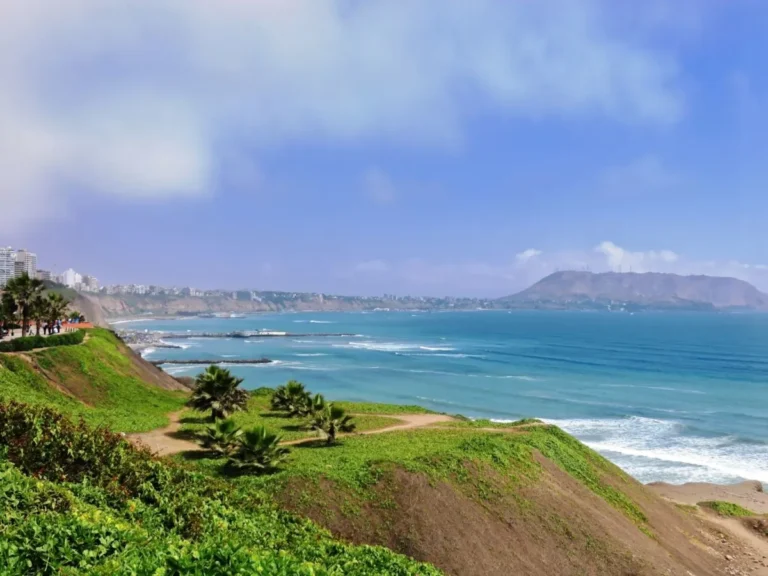
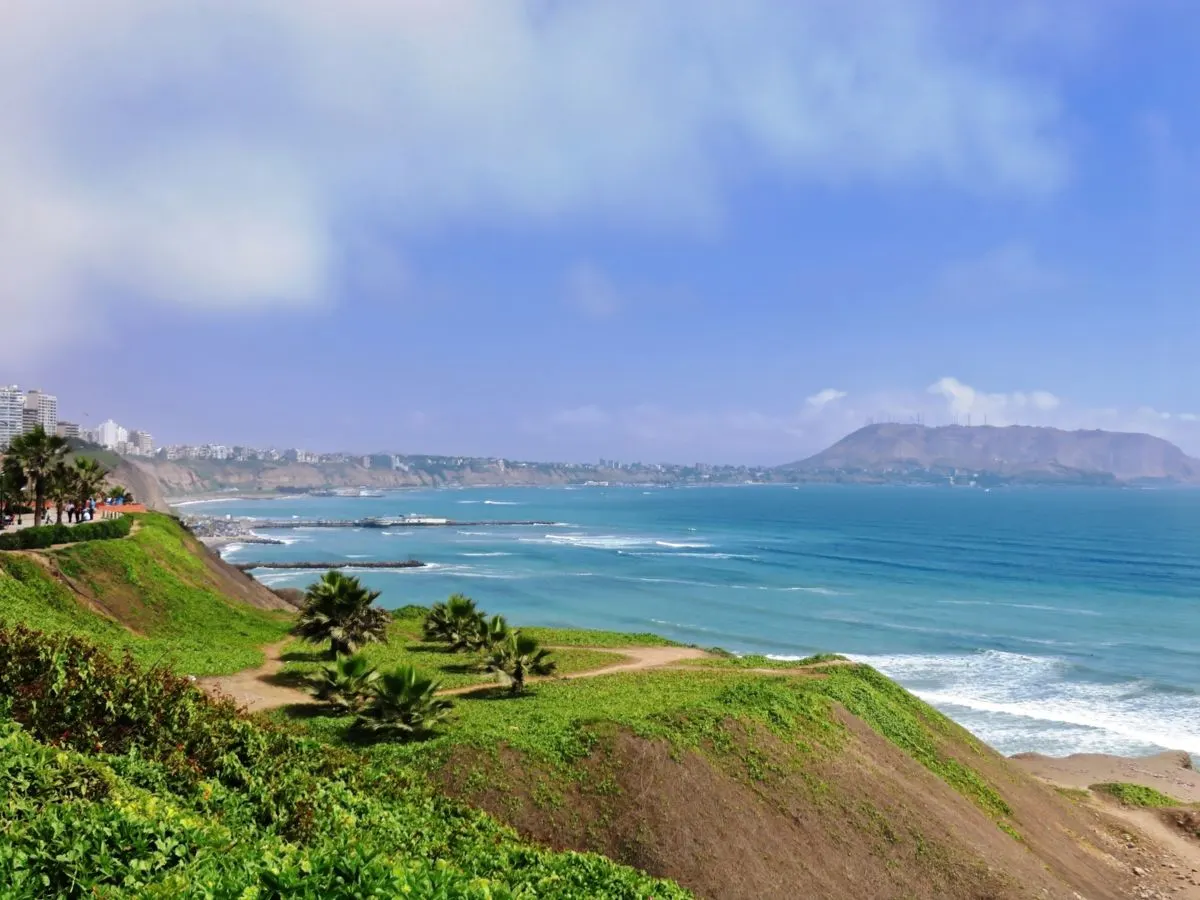
Miraflores is Lima’s most hip, clean, and eclectic neighbourhood. It has upscale dining, shopping, and accommodation (many of which with Pacific views). El Malecón, the coastal promenade, stretches along dramatic cliffs and is perfect for walks, dining at oceanfront restaurants, and sunset watching. The neighbourhood is well-maintained, and popular with tourists and affluent locals. You’ll find excellent museums, galleries, and parks here.
Barranco, just south of Miraflores, has a distinctly bohemian character. Charming cobblestone streets wind through the neighbourhood, lined with colourful buildings, independent galleries, street art, and vintage shops. The restaurant and bar scene is excellent, with everything from casual cevicerias to upscale dining. Barranco attracts artists, writers, and younger travellers seeking authentic Lima atmosphere.
San Isidro isn’t quite seaside, but close (about 15 minutes from shore of Miraflores). It’s another upscale neighbourhood popular with both tourists and locals. Tree-lined streets, parks, and modern amenities create a sophisticated atmosphere. San Isidro has excellent restaurants, shopping, and mid-range to luxury accommodation. It’s less touristy than Miraflores, offering a good balance between convenience and local character.
All three neighbourhoods are safe for tourists and well-served by public transport, taxis, and ride-sharing apps. Choose based on your preference: Miraflores for views and flair, Barranco for bohemian character, or San Isidro for upscale comfort with less tourism.
➤Museo Larco
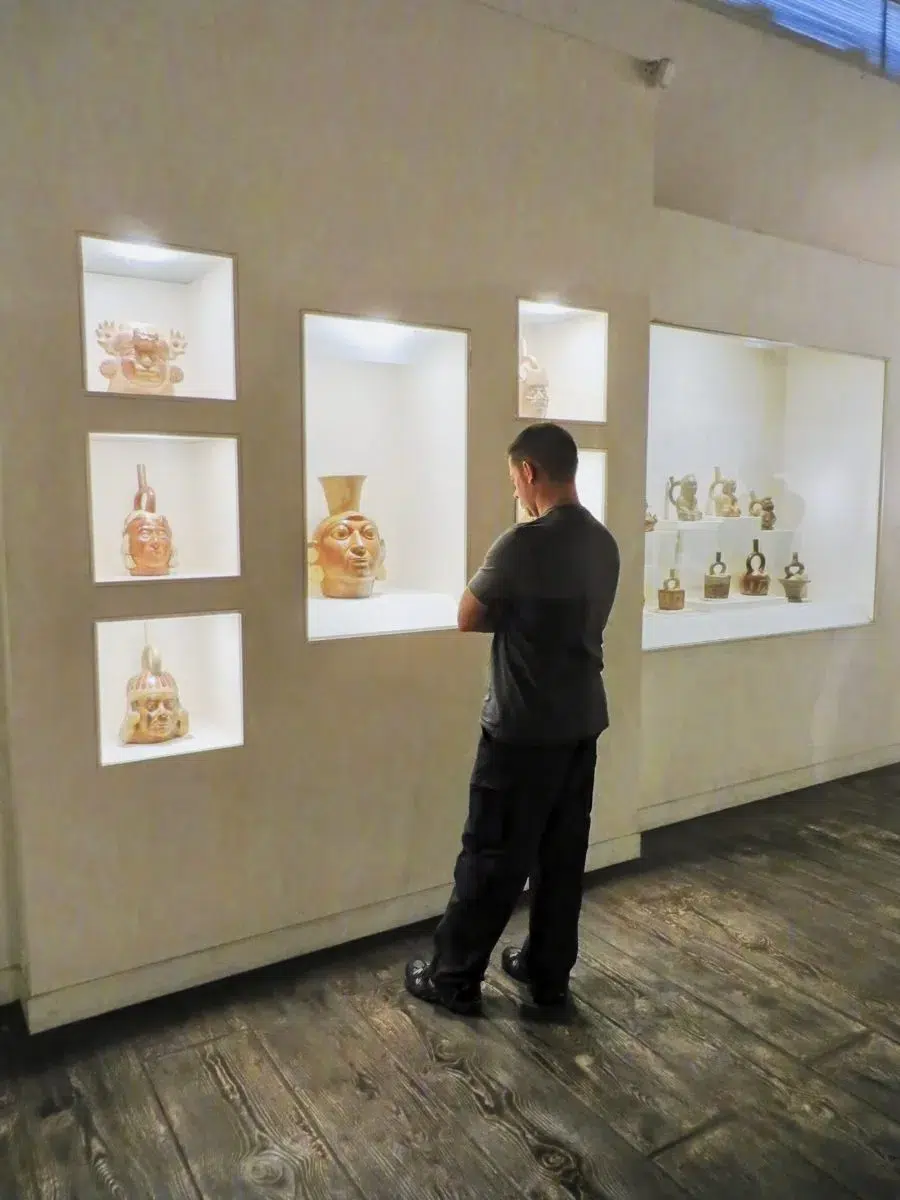
The Museo Larco is fantastic and absolutely worth visiting. It houses one of the world’s most comprehensive collections of pre-Columbian art spanning thousands of years of Peruvian history. The exhibits are thoughtfully curated and you’ll see ceramics, textiles, jewellery, and metalwork from various Peruvian civilizations.
The museum’s erotic gallery is definitely an eye-opener. Ancient pottery depicting sexual practices reveals how differently pre-Columbian societies approached sexuality compared to modern attitudes. It’s genuinely fascinating and provides real cultural insight.
Plan to spend at least two to three hours at Museo Larco and give the museum café a try as well.
➤Lima’s Restaurant Scene
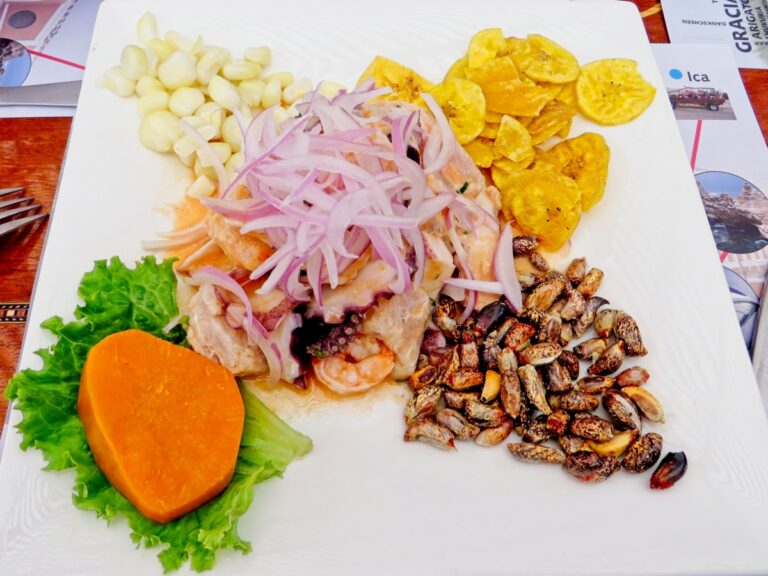
Lima’s restaurant scene is extraordinary. Everything from street food to Michelin-starred establishments showcases Peruvian cuisine’s diversity. The city has become South America’s culinary capital, and honestly, the reputation is entirely justified. Don’t miss ceviche, aji de Gallina, and more (read about our favourites here!).
Fresh seafood is everywhere, prepared a thousand different ways. We spent multiple meals exploring different restaurants and styles, and we never had a bad meal.
Wander different areas for different vibes. Miraflores and San Isidro have upscale restaurants and international options if that’s your style (if you’re on a budget, pay attention to the menu before deciding on a spot as some here can be pricey). Barranco feels more bohemian with excellent casual dining mixed in.
Local markets like Mercado Central offer authentic Peruvian food at a fraction of restaurant prices if you’re watching your budget. Whether you want street food or fine dining, Lima delivers.
➤Day Trip from Lima: The Ancient City of Caral-Supe
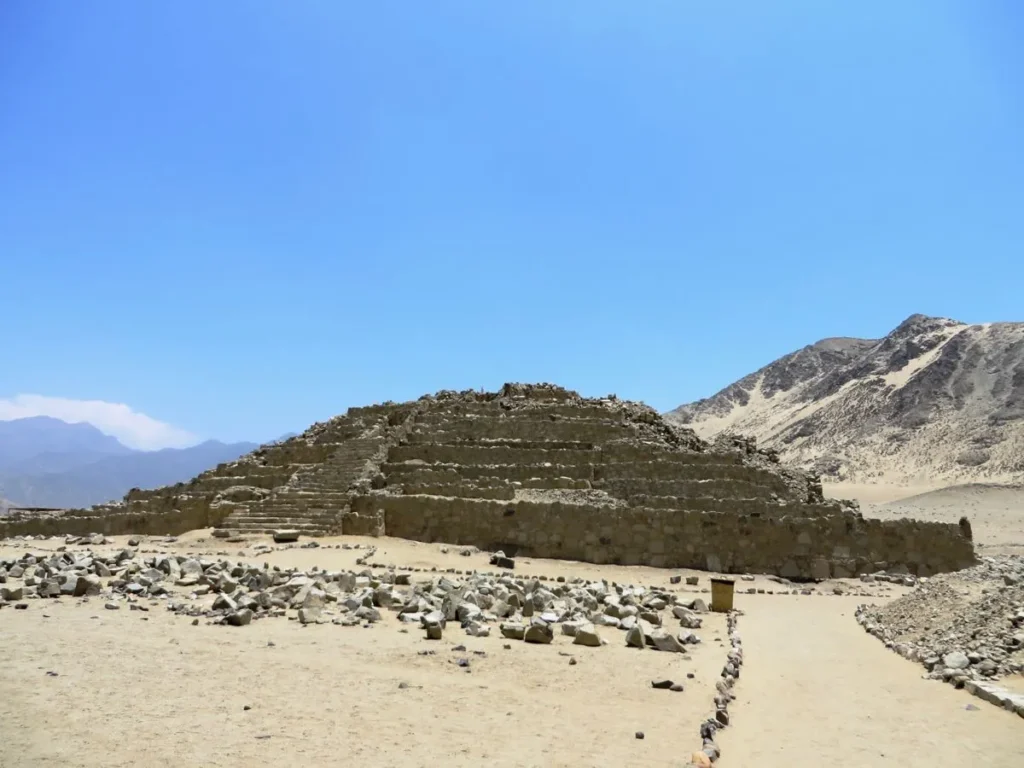
Ancient Caral, one of the world’s oldest civilizations, sits about 200 km (124 mi) north of Lima. This pre-Columbian city was built around 3000 BCE and is around 626 hectares (about 1,500 acres). Caral is the the oldest known city in the Americas!
Our day trip to Caral was incredible. Walking through ruins that old—older than Stonehenge and the Egyptian pyramids—provides profound perspective on human civilization.
So far, six impressive pyramid-like structures have been uncovered, along with what are believed to be ceremonial spaces, a sunken plaza, and residential areas.
Caral is accessible as an organized day tour from Lima. Your tour operator will pick you up around 6:00 a.m. to begin the journey to the ancient site. After Caral, the tour operator may take you for lunch in the nearby seaside town of Barranca.
Arequipa – Peru’s White City
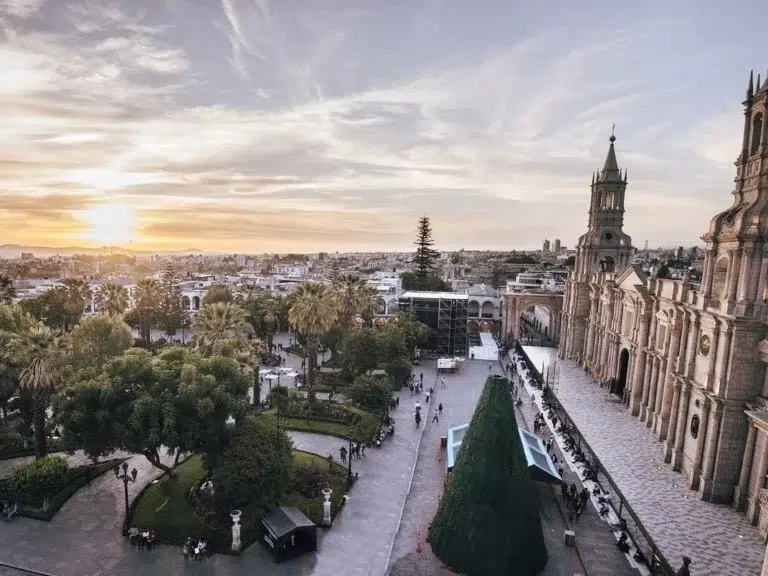
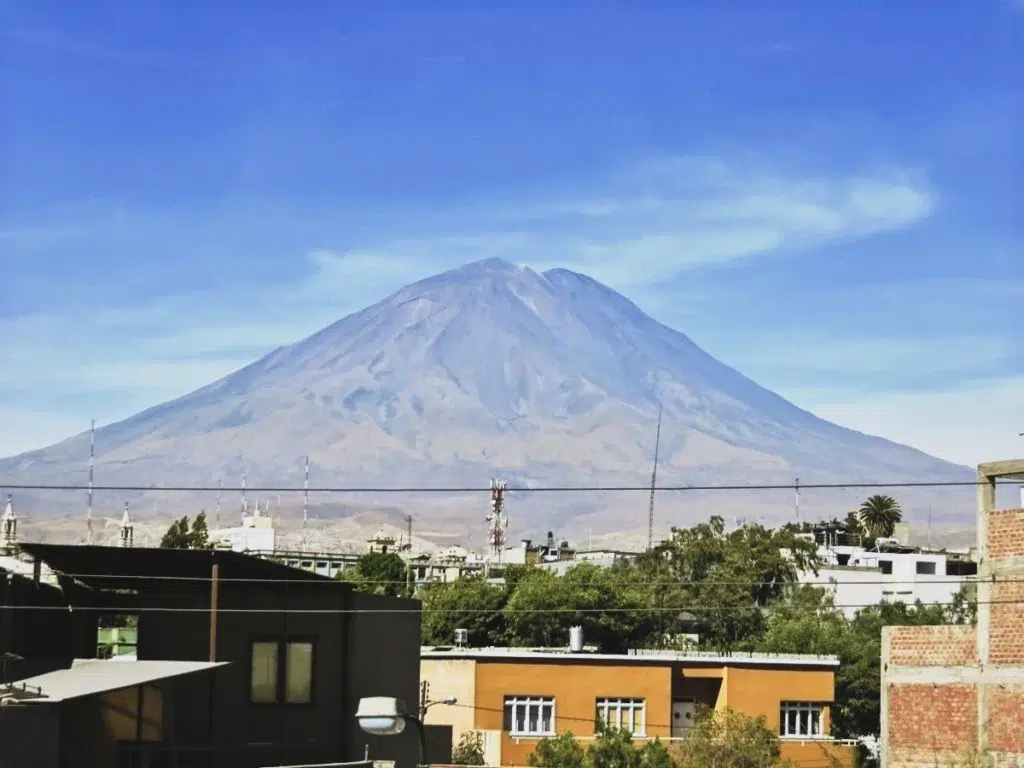
Arequipa, Peru’s second-largest city, sits at 2,335 m (7,660 ft) in the southern Andes, under the watch of three volcanoes—Misti, Chachani, and Pichu Pichu. This was genuinely one of our favourite cities in Peru and we’d happily return in a heartbeat.
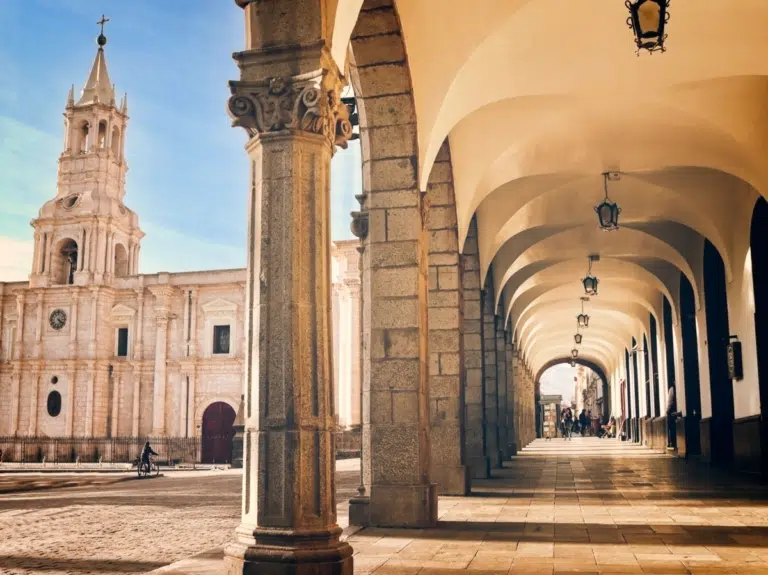
What makes Arequipa special is its combination of relaxation, culture, and charm. The city has excellent museums showcasing local history and pre-Columbian archaeology. The historic centre features colonial architecture built from white volcanic stone (sillar), giving the city an elegant, distinctive appearance.
The Plaza de Armas is a beautiful central square surrounded by colonial buildings. Wander the quaint markets and narrow alleyways that are perfect for shopping for souvenirs, handicrafts, and local textiles as they were cheaper than elsewhere. The food scene is excellent as well, with wonderful restaurants featuring local specialties.
We spent a couple days in Arequipa simply enjoying the pace of life, exploring museums, and wandering the charming streets. It’s an excellent base to chill before venturing onto trek the nearby Colca Canyon.
Colca Canyon
The Colca Canyon is one of Peru’s most spectacular natural wonders. It’s deeper than the Grand Canyon and featues some of South America’s most dramatic landscapes.
Most visitors tackle the canyon via a two-day hike, which is somewhat gruelling but worthwhile. The trek descends into the canyon, passes through traditional Andean villages, and climbs back out.
Our first night was spent at a natural hot spring along the river. The second night brought us to an oasis in the heart of the canyon floor, where we slept in bamboo huts and collected stories we’ll be telling for years.
Having a knowledgeable guide is worthwhile. Ours provided invaluable context about the history, geology, and local communities we encountered. The landscape is breathtaking: terraced agricultural fields, colourful rock formations, and views that seem to stretch forever.
Most operators offer two-day treks from Arequipa, including accommodation, meals, and a guide. There’s also a stop at the condor lookout!
Lake Titicaca
Lake Titicaca, the world’s highest navigable lake at 3,812 m (12,506 ft), straddles the Peru-Bolivia border. The lake has held profound spiritual and cultural significance for Andean civilizations throughout time, including today.
We took a day trip to the Gate of the Gods (Aramu Muru or Puerta de Hayu Marca), an ancient ritual site on the Peruvian side of the lake about 70 km (44 mi) from Puno. This mysterious T-shaped monument stands roughly 7 m (23 ft) high and is carved directly into the rock.
The portal is believed to be either Incan or pre-Incan in origin, though its true purpose remains a mystery. Local legend suggests it served as an interdimensional doorway and spiritual energy site used by ancient priests during sacred ceremonies.
This was a truly intriguing experience and one we’d highly recommend. Many visitors kneel at the doorway with their heads touching the stone, hoping to experience the legendary interdimensional shift. We tried it ourselves. Spoiler alert: we’re still very much here in this dimension.
The Uros Floating Islands are another must-see. These islands are constructed entirely from totora reeds and float on the lake’s surface. The Uros people have lived this way for centuries, maintaining traditional lifestyles largely unchanged.
Visiting the islands is fascinating, but can feel touristy. Communities are accustomed to visitors, and boat tours stop at islands specifically set up for tourists. That said, it was quite unique and we’d recommend checking it out if visiting the area.
Pro Tip
The lake is at very high altitude. Arriving at least a day or two before lake activities helps with acclimatization. This is where our first touch of altitude sickness started.
Cusco and the Sacred Valley
SCusco, the ancient Inca capital, sits at 3,400 m (11,155 ft) in the Andes. This is one of Peru’s most visited cities.
Cusco combines Inca stone foundations with Spanish colonial architecture, creating distinctive streetscapes. The Plaza de Armas is the city’s heart, surrounded by colonial buildings and offering excellent restaurants and bars.
Explore Inca sites like Sacsayhuamán, a massive fortress overlooking the city featuring enormous precisely-fitted stone blocks. Visit the Temple of the Sun (Qorikancha), the most important Inca religious site. Wander the San Blas neighbourhood with its narrow streets, local galleries, and smaller museums.
The food scene in Cusco is excellent. You’ll find everything from street food to upscale restaurants showcasing Peruvian cuisine. We spent a few days exploring the city, enjoying multiple meals at different establishments, and soaking in the atmosphere.
The Sacred Valley, stretching from Cusco toward Ollantaytambo, contains numerous Inca sites and traditional communities. Popular towns include Ollantaytambo (featuring impressive Inca architecture and serving as a gateway to the Inca Trail), Urubamba (the valley’s main town), and Chinchero (featuring a colonial church built atop Inca foundations and traditional markets).
A Sacred Valley tour typically combines multiple sites, local communities, markets, and cultural experiences. Many operators offer multi-day itineraries combining valley exploration with Machu Picchu visits.
Machu Picchu and the Inca Trail
Machu Picchu is Peru’s most famous archaeological site, and yes, it absolutely lives up to the hype. This 15th-century Inca citadel, perched at 2,430 m (7,972 ft) amidst cloud forest, is genuinely stunning.
The site itself is vast. Plan at least a full day to explore the main areas: the Temple of the Sun, the Sacred Plaza, the Intihuatana Stone, and the agricultural terraces.
Many visitors also climb Huayna Picchu, the steep mountain rising behind the main ruins, for dramatic views over the site. We climbed it… It’s steep and can give some folks a little virtigo, but rewards you with perspectives you can’t get from the main site. The views are phenomenal.
To reach Machu Picchu, options include taking the train from Cusco or the Sacred Valley to Aguas Calientes, then riding a bus or hiking the steep trail to the site. The train journey itself is scenic and comfortable. Aguas Calientes is a touristy town but serves as a convenient base. The main alternative (and most thrilling) is making the 4-day trek to Machu Picchu on the Inca Trail.
➤ The Inca Trail
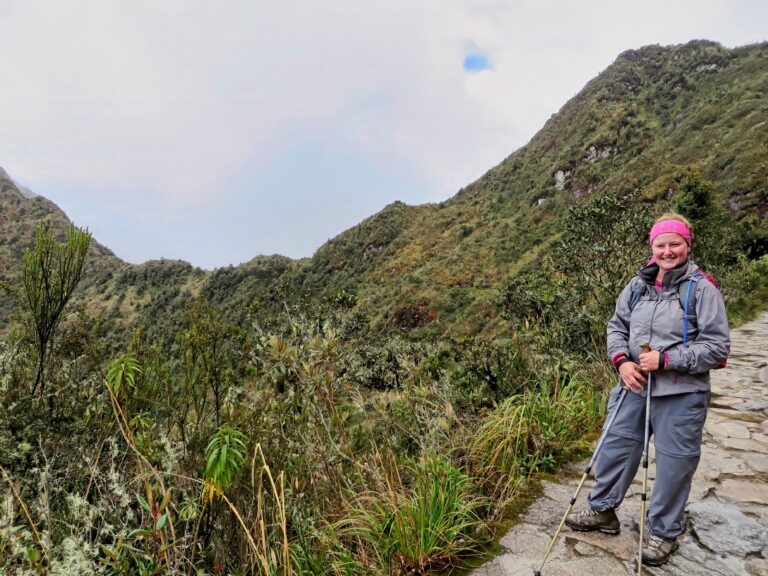
The Inca Trail is a challenging four-day trek through cloud forest and high mountain passes, ending at Machu Picchu. The trail follows ancient Inca pathways, passes through archaeological sites, and crosses landscapes of stunning beauty.
Fair warning: The Inca Trail is gruelling. The final day includes a pre-dawn start and steep climbing. One of us experienced significant altitude sickness, and the physical challenge is real. We persevered, and we’re so glad we did.
The trail accommodates only a limited number of hikers daily (permits are required and often book months in advance), which helps preserve the experience and environment. You must hire a registered guide / tour operator to hike the Inca Trail, but the beauty is that they handle all the logistics, meals, porters, and guides.
Other trekking options to Machu Picchu include the Salkantay Trek (5 days through dramatic mountain terrain) and the Short Inca Trail (2 days covering the final portion of the classic route). Both offer less crowded alternatives to the full four-day trek.
Pro Tip
Book well in advance as permits fill quickly, especially during peak season (May–September). Arrive in Cusco at least two days early to acclimatize before attempting the trek. Consider discussing your plans with your doctor and obtaining altitude sickness medication as a precaution.
Ica and Huacachina
Ica, a desert city in southern Peru, serves as a base for exploring the desert oasis of Huacachina (or you can stay in the oasis) and nearby archaeological sites.
Huacachina is a unique desert oasis with a lagoon surrounded by palm trees and sand dunes in the middle of otherwise empty desert. It’s surreal and beautiful.
The oasis town is small and touristy, but offers an otherworldly experience. We wish we’d spent at least another day here exploring the surrounding dunes. I was genuinely unique and unlike anywhere else we’ve visited.
Popular activities include sandboarding (like snowboarding but on sand), dune buggies, and sunset viewing. The sandboarding was really fun, as was the dune buggy ride to get there. Things to do in Ica Peru include visiting the Ica Regional Museum (featuring Nazca pottery and textiles), exploring local wineries, and visiting the pre-Columbian site of Ocucaje.
Nazca Lines
The Nazca Lines are enormous geoglyphs etched into the desert floor south of Lima, created by the Nazca culture roughly 1,500 years ago. The lines depict animals, plants, and geometric shapes, many visible only from above.
We flew over the lines and highly recommend that you do the same. Seeing these massive designs from a small aircraft provides perspective on their scale and precision. The mystery of their purpose (ritual? astronomical calendar? alien landing strips according to pseudoscientists?) adds to their fascination.
Important warning: Bring motion sickness medication. Small aircraft, thermal air currents, and the often-windy conditions mean flights can be turbulent. Several passengers on our flight were unwell…
Flights typically last 30–45 minutes. Book through established operators with good safety records.
Ballestas Islands
The Ballestas Islands lie off the south coast of Peru near Ica. These islands are home to thousands of Humboldt penguins, sea lions, and diverse seabirds.
Boat tours depart from nearby ports and cruise around the islands, offering close views of wildlife. The islands are genuinely teeming with penguins and sea lions – you’ve never smelled anything quite like it! The wildlife viewing is excellent, and seeing penguins in their natural habitat is special.
Tours typically last 2–3 hours and depart multiple times daily. Book through established tour operators.
Mancora – Laid-Back Beach Town
Mancora, in northern Peru near the Ecuadorian border, is a relaxed beach town popular with surfers and those seeking coastal relaxation.
We spent a few days relaxing in Mancora, playing in the waves, and enjoying the laid-back atmosphere. Fair warning: the water is colder than expected considering the proximity to the equator. The beach is rugged and wild, and the town has authentic coastal charm without the over-development of some beach destinations.
We chose to fly into Piura from Lima then hire a car to drive us to Mancora (about 3 hour drive) on the way there. On the return trip, we took a bus back to Piura and flew back to Lima. It’s a good place to decompress after intense trekking or city exploration, or to combine with Ecuador travel if you’re heading north.
Amazon Rainforest
The Peruvian Amazon is one of the world’s most biodiverse regions and offers an entirely different Peru experience compared to mountain and coastal destinations. The Amazon basin covers nearly 60% of Peru’s territory, making it a vast frontier of jungle, rivers, and indigenous communities.
Most visitors access the Amazon through Puerto Maldonado, a riverside town in southeastern Peru. From here, you can take river trips, visit clay licks where macaws gather, explore oxbow lakes, and experience jungle lodges ranging from basic to luxury.
The wildlife viewing is extraordinary. Jaguars, anacondas, pink river dolphins, giant otters, caimans, and hundreds of bird species inhabit the jungle. Canopy walks, night expeditions, and boat tours reveal the incredible biodiversity.
Fair warning: It’s humid, insects are abundant, and accommodation can be rustic. The experience requires patience and flexibility.
Weather changes quickly, and some activities depend on river levels and animal sightings. That said, the Amazon delivers incomparable wildlife encounters and profound connection to one of Earth’s most important ecosystems.
Most visitors spend 3 to 5 days in the Amazon. Your best bet is to book through established operators offering multi-day packages that include accommodation, meals, guides, and activities.
Guides are essential. They navigate the jungle, identify wildlife, and provide context about ecosystems and indigenous cultures. Reputable operators emphasize sustainability and respect for local communities.
The Amazon can be combined with mountain destinations in a longer Peru itinerary. Many travellers fly from Cusco or Lima to Puerto Maldonado, spend time in the jungle, then continue elsewhere.
The Peruvian Amazon is remarkable and humbling. If you have time and physical capability, it’s absolutely worth including in your Peru adventure.
Pro Tip
Yellow fever vaccination currently isn’t mandatory, but highly recommended for some areas of Peru (including the Amazon). Consult your doctor or travel clinic before departure. Bring insect repellent, light quick-dry clothing, waterproof bags, and a good camera with zoom capabilities for wildlife photography.
Peru Travel Guide – Sample Itineraries for Adventurers
To get you started on planning your adventure, our Peru travel guide provides some sample itineraries. That said, the combinations are endless and we’re just giving you a few ideas to get you started.
Sample 7-Day Peru Itinerary: Lima, Sacred Valley & Machu Picchu by Train
Days 1-3: Lima (2 nights)
- Day 1: Arrive in Lima, settle into accommodation in Miraflores or Barranco neighbourhood, explore the coastal promenade (El Malecón), enjoy dinner at a local restaurant.
- Day 2: Explore Lima’s museums and historic centre. Visit the Museo Larco and its erotic gallery, wander the Plaza de Armas, explore colonial architecture in the Historic Centre, enjoy lunch at a local market.
Days 3–5: Cusco & Sacred Valley (2 nights)
- Day 3: Depart Lima for Cusco, acclimatize to altitude, explore the Plaza de Armas and nearby Inca sites like Sacsayhuamán. Dinner in San Blas neighbourhood.
- Day 4: Full day in Sacred Valley. Visit Ollantaytambo, explore local markets, visit traditional communities. Return to Cusco or stay in the valley.
Days 5–7: Machu Picchu (2 nights)
- Day 5: Early train from Cusco or Sacred Valley to Aguas Calientes. Afternoon arrival, settle in, explore the town.
- Day 6: Full day exploring Machu Picchu. Climb Huayna Picchu for views. Return to Aguas Calientes for night
Day 7: Return to Cusco and depart
- Day 7: Train back to Cusco and international departure, unless extending by a day or more.
This itinerary prioritizes Machu Picchu without the physical demands of the Inca Trail, allowing time for Lima’s culture and food scene.
Sample 14-Day Peru Itinerary: Lima, Sacred Valley, Inca Trail & Lake Titicaca
Days 1–4: Lima (3 nights)
- Day 1: Arrive in Lima, settle into Miraflores or Barranco, explore the coast.
- Day 2: Full day exploring Lima. Visit Museo Larco, wander historic neighbourhoods, enjoy world-class cuisine.
- Day 3: Optional morning exploring additional Lima sites or day trip to Caral north of Lima.
Days 4–6: Cusco & Acclimatisation (2 nights)
- Day 4: Arrive in Cusco, acclimatize to altitude, explore Plaza de Armas, visit Qorikancha temple and Sacsayhuamán fortress.
- Day 5: Explore Sacred Valley. Visit Ollantaytambo, Urubamba, local markets, and traditional communities. Return to Cusco for final preparation before Inca Trail.
Days 6–9: Inca Trail Trek (3 nights)
- Days 6–9: Undertake the four-day (3 night) Inca Trail trek. Camp in the mountains, hike through cloud forest, explore archaeological sites, arrive at Machu Picchu on Day 9 morning. Spend afternoon exploring the site and Huayna Picchu if energy permits.
Days 9-11: Machu Picchu / Agua Calientes & Return (2 nights)
- Day 10: Additional time exploring Machu Picchu or hiking surrounding areas. Afternoon train to Aguas Calientes, overnight there.
- Day 11: Train back to Cusco for the night.
Days 12–14: Lake Titicaca (2 nights)
- Day 12: Arrive in Puno, explore the town.
- Day 13: Day trip to visit the Gate of the Gods (Aramu Muru) and Uros Floating Islands.
Day 14: Return
- Morning flight or bus from Puno to Cusco or Lima for international departure.
This itinerary combines the physical challenge of the Inca Trail with cultural exploration and spiritual sites at Lake Titicaca.
Sample 23-Day Peru Itinerary: Complete Peru Adventure with Inca Trail, Desert Wonders & Coastal Exploration
Days 1–4: Lima (3 nights)
- Day 1: Arrive in Lima, settle into accommodation in Miraflores or Barranco, explore the coastal promenade.
- Day 2: Full day in Lima. Visit Museo Larco, explore the Historic Centre, enjoy Peruvian cuisine at various restaurants.
- Day 3: Day trip to Caral or additional Lima neighbourhood exploration.
Days 4–7: Arequipa (3 nights)
- Day 4: Arrive in Arequipa, explore the white city’s colonial architecture, wander the Plaza de Armas and nearby neighbourhoods.
- Day 5: Full day exploring Arequipa’s museums, markets, and charming alleyways. Visit local galleries and restaurants featuring regional specialities.
- Day 6: Prepare for Colca Canyon trek. Rest, hydrate, and gather supplies.
Days 7–9: Colca Canyon (2 nights)
- Day 7: Early departure to Colca Canyon. Begin two-day trek into the canyon, hike through terraced agricultural areas and traditional Andean villages. Overnight at riverside hot spring location.
- Day 8: Continue canyon trek, swim in natural hot springs, spot Andean condors, camp at oasis in the canyon floor.
Days 9–11: Puno & Lake Titicaca (2 nights)
- Day 9: Final push out of canyon, then bus to Puno, settle into accommodation, explore the town.
- Day 10: Day tour to visit the Gate of the Gods (Aramu Muru) and Uros Floating Islands.
Days 11–14: Cusco & Sacred Valley (3 nights)
- Day 11: Flight or bus from Puno to Cusco, acclimatize to altitude, explore the Plaza de Armas and Qorikancha temple.
- Day 12: Full Sacred Valley exploration. Visit Ollantaytambo, Urubamba, Chinchero, local markets, and traditional communities.
- Day 13: Final acclimatization and preparation day in Cusco. Rest, hydrate, and prepare for the Inca Trail.
Days 14–17: Inca Trail Trek (3 nights)
- Days 14–17: Four-day Inca Trail trek. Camp in the mountains, hike through cloud forest, explore archaeological sites, arrive at Machu Picchu on Day 17 morning (remainder of day exploring Machu Picchu).
Days 17–20: Machu Picchu & Aguas Calientes (2 nights)
- Day 18: Full day exploring Machu Picchu, climb Huayna Picchu for dramatic views, explore the Temple of the Sun and Sacred Plaza, night over in Aguas Calientes
- Day 19: Additional morning at Machu Picchu or explore surrounding areas. Another nigh in AG.
Day 20-21: Cusco Recovery (1 night)
- Train back to Cusco, settle into accommodation, rest and recover from the trek.
Days 21–23: Ica, Huacachina & Nazca Lines (3 nights)
- Day 21: Flight from Cusco to Lima, then bus or private tour / driver to Ica. Explore the Ica Regional Museum and local wineries.
- Day 22: Day in the desert oasis of Huacachina. Sandboard down the dunes, explore the lagoon, enjoy sunset over the desert landscape.
- Day 23: Morning flight over the Nazca Lines. Bring motion sickness medication and prepare for an unforgettable aerial experience. Afternoon return to Ica or Lima.
Return: Evening flight from Lima for international departure or extra night in Lima before departure.
This 23-day itinerary balances physical challenges (Inca Trail and Colca Canyon), cultural immersion (Cusco, Sacred Valley, Lake Titicaca), and unique desert experiences (Huacachina and Nazca Lines). The pacing allows for proper acclimatization and recovery while covering Peru’s most iconic destinations.ntrast between upscale resort and working port city offers diverse Mexico experience.
The sample itineraries in this Peru travel guide only scratch the surface. You may wish to create your own 1-week Peru itinerary or 2-week Peru itinerary focused on one region, or combine destinations based on your interests and fitness level.
How to Travel Around Peru: Transportation Options
Understanding how to travel around Peru is an essential part of any Peru travel guide, as it’s crucial for planning your trip. The best way to travel in Peru depends on your itinerary, budget, comfort level, and safety considerations.
Flying Between Regions
Peru has several domestic airlines and good air connections between major cities. Flying is the fastest way to cover long distances, as Peru is much larger than it appears on maps.
A flight from Lima to Cusco takes about 1.5 hours, while driving would take 24+ hours. Airlines like LATAM, Avianca, Sky Airline, and others offer reasonably priced flights if booked in advance.
Book early for better prices. One-way flights between major cities typically cost $60–$200 USD depending on route and season.
This was our preferred method of travel to save valuable exploration time. The airports and airlines were fast and efficient (more so on average than those in North America…).
Renting a Car in Peru
Car rentals are available throughout Peru at reasonable rates. However, driving in Peru requires caution and preparation. Roads range from excellent highways between major cities to narrow mountain roads and rural routes. Toll roads exist on some routes and can be expensive. Always carry cash for tolls.
Automatic transmissions cost significantly more than manual. If you can drive manual, you’ll save money. Third party liability insurance is required and mandatory. Collision Damage Waiver (CDW) or Loss Damage Waiver (LDW) may also be required by your rental car provider. Check this ahead of time and see if possible to use insurance provided by your credit card and what that requires.
Driving at night on unfamiliar roads is not recommended. Parking in cities like Lima and Cusco can be challenging and expensive. In these cities, we recommend exploring by public transport and ride-sharing apps rather than renting a car. If you’re uncomfortable driving in Peru, buses and flights are safer, reliable alternatives.
If you plan to rent a car, book in advance for high season travel. Research specific routes before departure and consult current travel advisories about safe driving corridors.
Pro Tip
Drivers in Peru are aggressive and traffic “laws” are more like suggestions. From our experience, the first to honk at a stop sign or traffic light had the right-of-way. Seeing five lanes of traffic on a three-lane highway was commonplace. Large tour buses race to pass each other on high mountain roads. It’s not for the faint of heart. If you’re uncomfortable with this driving environment, buses and flights are safer, reliable alternatives.


Buses in Peru
Peru has an extensive network of long-distance buses connecting all major cities. Buses range from basic to first-class with reclining seats, movies, and refreshments. First-class buses are comfortable and reasonably priced for long journeys.
Companies like Cruz del Sur, Oltursa, and others operate modern fleets on major routes. Prices are very reasonable (a 12-hour bus journey might cost $25–$50 USD). Long-distance buses are a popular and affordable way to travel between regions.
Train Travel in Peru
Peru has limited, but scenic train options. The most famous route connects Cusco to Aguas Calientes (gateway to Machu Picchu and train is the only way to get there since there are no roads).
The trains are comfortable, offer stunning Andean views, and include meal service on some routes.
The journey to and from Aguas Calientes takes about 3.5 hours and costs $50–$150 USD depending on service level. Book in advance, especially during peak season.
Public Transportation in Major Cities
Lima has a modern metro system that’s fast, affordable, and extensive. A single ride typically costs around 2–3 soles (under $1 USD). The Metro is the best way to navigate the city, though it gets crowded during rush hours. Buses exist in all Peruvian cities, but can be chaotic and difficult for visitors unfamiliar with routes.
Uber and other ride-sharing apps are widely available in major cities and tourist areas. Taxis are available, but use official taxis or ride-sharing apps rather than hailing cabs on the street. Always exercise caution and situational awareness when using any type of public transportation.
Organized Tours
Day tours from major destinations reach attractions like Machu Picchu, the Inca Trail, and archaeological sites. Tours often include transportation, guide, and sometimes meals.
They solve the transportation puzzle and provide historical context and cultural insights. Multi-day tour packages are available covering regions like the Sacred Valley, Colca Canyon, Lake Titicaca, or combining multiple destinations.
The trade-off is fixed schedules and less flexibility. Tours are worth considering for difficult-to-reach attractions, for convenience, or when you prefer guided experiences with expert knowledge.
Overall, we’d recommend organized tours with reputable companies for the safest ways to travel between destinations and reach points of interest, particularly for trekking, remote regions, and archaeological sites.
Where to Stay in Peru: Accommodation Guide
Peru offers options for every style and budget, from backpacker hostels to luxury eco-lodges and boutique hotels. Prices vary significantly by region and season.
This Peru travel guide focuses on popular tourist destinations and Lima, as these are typical bases for travellers. Peru is fairly large and quite varied in price points between locations. Budget-conscious travellers can find excellent value in less touristy areas without sacrificing experience.
Understanding Peru’s Accommodation Types
Peru’s lodging options span different styles and comfort levels. Understanding what each type offers helps you choose based on your priorities and budget.
➤Hostals
Hostels are budget-friendly accommodations offering dormitory-style sleeping and private rooms. Common areas like kitchens, lounges, and rooftop bars encourage guest interaction, making them great for solo travellers and those wanting to meet others. Bathrooms are typically shared in dorm rooms, private in private rooms. Hostels don’t usually include breakfast.
➤Budget Hotels (1-2 Star)
Budget hotels offer private rooms and bathrooms at low prices with basic furnishings and minimal amenities. They work for travellers prioritizing affordability and privacy. They’re particularly common in towns like Cusco, Puno, and Ica, and breakfast may be included.
➤Mid-Range Hotels (3-4 Star)
Mid-range hotels deliver comfort and service at reasonable prices with pleasantly decorated rooms and daily housekeeping. Many include breakfast, and staff provide personalized service. They’re popular in Cusco, Lima, and Arequipa for travellers wanting comfort without resort pricing.
3-star hotels are comfortable without luxury; 4-star properties add more style, better linens, and enhanced service. Mid-range hotels suit travellers wanting comfort without resort pricing.
➤Boutique Hotels
Boutique hotels are small, upscale properties with distinctive décor reflecting local culture and personalized service. They suit travellers seeking atmosphere and individuality and are particularly popular in colonial towns like Arequipa and the Sacred Valley.
➤Luxury Hotels (5 Star)
Luxury hotels prioritize high-end experience with designer furnishings, premium service, and refined amenities including spas and fine dining. They suit travellers prioritizing experience quality and willing to pay premium prices. Lima and Cusco have several luxury options catering to upscale travellers.
➤Community Lodges and Cultural Homestays
Community lodges and homestays offer opportunities to stay with local families, particularly in the Sacred Valley and near Lake Titicaca. Meals are typically included with traditional local cuisine, and activities often include learning about local customs and traditions. Be flexible regarding amenities, as accommodations may be rustic.
➤Bed and Breakfasts (B&Bs)
B&Bs are small, owner-operated guesthouses ranging from simple to upscale properties with personal service and breakfast included. They suit travellers seeking personality and authentic local experience and are particularly popular in the Sacred Valley, Arequipa, and smaller colonial towns.
➤Vacation Rentals (Apartments, Houses, Villas)
Vacation rentals range from simple studios to luxury homes and include kitchens for meal preparation. They suit families, groups, and travellers wanting more space than hotel rooms and are most common in Lima, Cusco, the Sacred Valley, and northern beach areas like Mancora.
➤Mountain Lodges
Mountain lodges serve trekkers around Cusco, the Sacred Valley, and Colca Canyon, ranging from basic shelters to comfortable lodges. Many are run by trekking operators and included in guided tour packages, emphasizing practicality and sustenance rather than luxury.
➤Jungle Lodges
Jungle lodges in the Peruvian Amazon range from basic to luxury eco-lodges with guided activities included. All require flexibility regarding comfort and wildlife encounters, but suit adventurous travellers seeking immersion in the Amazon ecosystem and extraordinary experiences.
Pro Tip
Check reviews carefully before booking. Quality can vary dramatically at lower price points, so read what other travellers actually experienced before committing.
Accommodation Tips Across Mexico
Consider location trade-offs. Staying away from prime tourist areas often saves 20–30% while remaining accessible. In Lima, neighbourhoods slightly removed from Miraflores and Barranco offer good value. In Cusco, San Blas offers character without premium pricing.
Vacation rentals offer flexibility. They’re particularly good value in smaller towns like Ollantaytambo and Arequipa where you can cook meals, save on dining costs, and experience neighbourhoods authentically.
Read recent reviews carefully. Quality varies dramatically at lower price points. Check what other travellers experienced before committing. Pay attention to comments about water pressure, noise, heating (important at high altitude), and actual cleanliness.
Book treks and activities through reputable operators. Mountain lodges and jungle accommodations are often bundled with guided experiences. Book through established companies with verifiable reviews rather than arranging independently.
Be flexible with high-altitude accommodation. In Cusco and mountain towns, even mid-range hotels may have inconsistent heating and hot water. Expect rustic charm alongside comfort.
Currency and Money Matters in Peru
Peru’s currency is the Peruvian Sol (PEN).
Using Soles
ATMs are available in cities and towns and accept international cards. Withdrawal fees typically minimal, plus whatever your home bank charges. Exchange rates at ATMs are generally competitive.
Notify your home bank before travelling to Peru to avoid card blocks when making withdrawals or purchases abroad.
Credit Cards
Most restaurants, hotels, shops, and larger businesses accept credit cards. Visa and Mastercard are widely accepted; American Express is less common. Some small businesses, markets, and rural areas prefer cash or add surcharges for card payments.
We used our credit card where possible to earn travel points and avoid carrying excessive cash.
Tipping Culture
Tipping in Peru isn’t mandatory and not overly expected from locals, but there is a certain expectation that foreigners will tip, and it’s definately appreciated.
Based on our experience and what we’ve heard from other travellers, here’s what we recommend:
In restaurants, 10% is standard for good service if a service charge isn’t already included. Some restaurants add a service charge automatically, so check your bill.
For taxi drivers, round up to the nearest 1–2 soles or add 10% for longer rides. Hotel porters appreciate 2–5 soles per bag. Housekeeping in hotels: 5–10 soles per night is appreciated. Tour guides and activity leaders: 50–100+ soles per person for day tours, depending on quality and length.
Planning Your Budget: What Does Peru Really Cost?
Understanding costs is essential for planning your Peru travel adventure. Peru offers excellent value for many travellers, but costs vary significantly by region and season. Here’s a realistic breakdown to help you plan.
Estimated budget is per person, per day in USD (approximate exchange rate: 1 USD = 3.5–4 PEN, rates fluctuate). Accommodation is based on double occupancy (except dorm style hostels, which make up the low range for basic accommodations).
Budget Travel: $30–$60 USD Daily
- Accommodation: Hostels, budget hotels (1-2 star), basic guesthouses $15–$30
- Food: Market meals, street food, casual restaurants $8–$15
- Transportation: Public buses, some walks $3–$6
- Activities: Free attractions, minimal paid entry fees $6–$15
This works if you’re staying in hostels, eating at markets and casual restaurants, using public transport, and focusing on free attractions and lower-cost sites.
Mid-Range Travel: $60–$135 USD Daily
- Accommodation: Comfortable hotels (3-4 star), mid-range lodges $30–$75
- Food: Mix of casual restaurants and nicer meals: $15–$27
- Transportation: Combination of buses, trains, occasional flights: $12–$22
- Activities: Attraction entries, some guided tours: $12–$30
This is where we usually land. You get comfortable accommodations, can eat at good restaurants, enjoy flexibility for activities, and don’t stress about costs.
Luxury Travel: $135–$350+ USD Daily
- Accommodation: 5-star hotels, luxury lodges: $60–$190+
- Food: Fine dining, upscale restaurants: $30–$75+
- Transportation: Flights, private drivers, first-class trains: $20–$60+
- Activities: Premium guided tours, exclusive experiences: $25–$75+
If you want the ultimate Peru experience with upscale accommodations, fine dining, and exclusive experiences (like private treks or luxury river lodges), this level lets you enjoy Peru’s finest offerings without budget constraints.
Keep in mind this Peru travel guide provides estimates only. What you actually spend may vary drastically depending on your specific destinations, season, transportation choices, and travel style.
8 Money Saving Tips for Peru: How to Travel Peru on a Budget
Peru offers excellent value for budget-conscious travellers. Here are practical money-saving strategies that help stretch budgets further whilst still experiencing the best of Peru.
1. Visit in Shoulder Season
Late April–May and September–October offer pleasant weather, fewer crowds, and significantly lower prices on accommodations and tours. You may save around 30% compared to peak season rates by shifting your dates by a few weeks.
2. Stay in Sacred Valley Towns Instead of Cusco
Towns like Ollantaytambo and Urubamba are 30–50% cheaper than Cusco while offering access to the same attractions, excellent food, and authentic Peruvian culture. You’ll experience Peru more like a local.
3. Book Tours in Advance
Organized tours to Machu Picchu, the Inca Trail, and Colca Canyon are cheaper when booked in advance than last-minute. Tours also include transportation and guidance, offering better value than visiting independently.
4. Shop at Markets & Eat at Local Restaurants
Local markets have fresh produce, prepared foods, and snacks at a fraction of tourist restaurant prices. Eating where locals eat – indicated by crowds and high turnover – saves money and offers more authentic experiences. That said, even higher end restaurants in Peru (except Lima) where pretty reasonable compared to other countries we’ve travelled (except may South Africa).
5. Use Public Transportation and Walk
In Cusco and Lima, public buses are incredibly cheap (1–2 PEN per ride). Walking neighbourhoods on foot costs nothing. Use buses for longer distances; avoid taxis except when necessary for safety.
6. Book Accommodations with Breakfast Included
Many Peruvian guesthouses and hotels include breakfast as standard. A Peruvian breakfast of eggs, beans, tortillas, and fresh juice saves around $4–$8 USD daily compared to eating out for breakfast.
7. Visit Free Attractions
Peru’s best experiences often cost nothing: plazas, markets, hiking, parks, street food, and live music. Some museums offer free admission on certain days (check ahead to plan accordingly).
8. Learn Basic Spanish
Even minimal Spanish (¿Cuánto cuesta? – How much does it cost?, Gracias – Thank you) helps you navigate markets, interact authentically with locals, and sometimes access better prices (especially at markets).
5 Things to Know When Travelling to Peru
This Peru travel guide outlines 5 key things you should know when travelling in Peru. Following them will help you to have an enjoyable, stress-free adventure!
1. Pack for High Altitude and Variable Weather
Peru spans multiple elevations and climate zones. Pack layers as high-altitude areas can be cold at night even when warm during the day. Bring a warm jacket, sweater, and long pants for mountain areas.
Lima and coastal zones are warm year-round so bring light, breathable clothing, sunscreen, and sunglasses. Quick-dry fabrics help in humid jungle regions. Comfortable walking shoes are essential. Flip flops are handy for shared bathrooms.
2. Bring Altitude Sickness Medication
If trekking above 3,000 m (9,842 ft), discuss altitude sickness prevention with your doctor before departure as this is most commonly when people start to feel the effects of high altitude. Many doctors prescribe Diamox (acetazolamide) prophylactically. Alternatively, coca tea, rest, hydration, and gradual acclimatisation help significantly.
See our guide on avoiding altitude sickness.
3. Bring the Right Electrical Adapter
Peru uses Type A and Type B plugs (two flat pins, sometimes with a round ground pin) – the same as Canada and the USA. Voltage is 220V (different from North America’s 120V), so bring a voltage converter for devices like hair dryers and phone chargers if they’re not dual-voltage.
4. Spanish is Helpful (and Appreciated), but English is Spoken in Tourist Areas
English is increasingly spoken in tourist destinations, hotels, and restaurants. However, Spanish is the official language, and learning a few phrases helps immensely with locals and navigation in markets and small towns.
Basic phrases: Hola (hello), Gracias (thank you), ¿Cuánto cuesta? (how much?), Disculpe (excuse me), Sí/No (yes/no), Buenos días (good morning), Buenas noches (good evening). Locals genuinely appreciate the effort, even if pronunciation isn’t perfect.
In markets, small towns, and remote areas, Spanish knowledge is invaluable.
5. Avoid Tap Water and Foodborne Illness
Avoid drinking tap water in Peru. Stick to bottled water for drinking and brushing teeth. While tap water is treated in major cities, your stomach may not be accustomed to local microorganisms that still commonly invade the water system (as is common in most of Latin America).
Foodborne illness is the most common health issue travellers face in Peru. Eat at established restaurants with good hygiene practices. Use common sense about cleanliness and popularity (busy vendors with high turnover are generally safer).
Avoid raw vegetables and unpeeled fruits unless you’ve washed them in bottled water. Don’t consume ice unless you know it’s made from purified water. Eating at popular restaurants where food turns over quickly reduces illness risk.
With our knowledge of what and what not to eat and carefully vetting establishments, we still managed to contract a food borne illness. Sadly, it was the day before we started the Inca Trail (that’s a story for another time!). Otherwise, our eating experience in Peru was the best!
Final Thoughts For Your Peru Travel Adventure
We hope this Peru travel guide has given you what you need to start planning an incredible Peruvian adventure. Whether you were looking for information about what to do in Peru, the best times to visit, where to see Machu Picchu and the Inca Trail, how to stay safe, or how to structure your perfect Peru itinerary, we’ve tried to provide practical information to get your planning underway.
Whether you’re experiencing Lima’s vibrant culture and world-class cuisine, trekking the challenging Inca Trail, exploring the mysterious Machu Picchu, discovering the Sacred Valley’s colonial towns and archaeological sites, marvelling at Colca Canyon’s dramatic landscapes, floating on Lake Titicaca’s ancient waters, or relaxing on coastal beaches, Peru offers unforgettable experiences for any type of traveller, especially the adventurous.
The country rewards curiosity and flexibility. Build a Peru itinerary that matches your interests, your physical capabilities, and your budget. Go at your own pace. Stay longer in places that capture your heart, move quickly through others, and don’t stress about seeing everything.
There’s no one right or wrong way to experience Peru. This is your adventure – make it authentically yours.
Ready to start planning your Peru adventure? Check out our Travel Resources page for tools and recommendations to help you book flights, find accommodation, and prepare for your trip.
If you enjoyed our Peru Travel Guide, please pin it on Pinterest, save it, and share it with anyone else who might be dreaming of Ireland!
Peru, a treasury of history and legends, where every stone speaks of a forgotten era.
César Vallejo