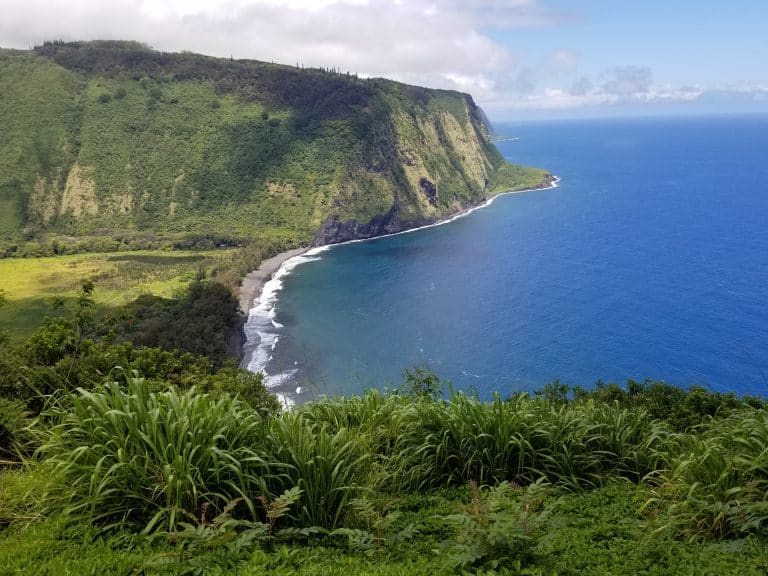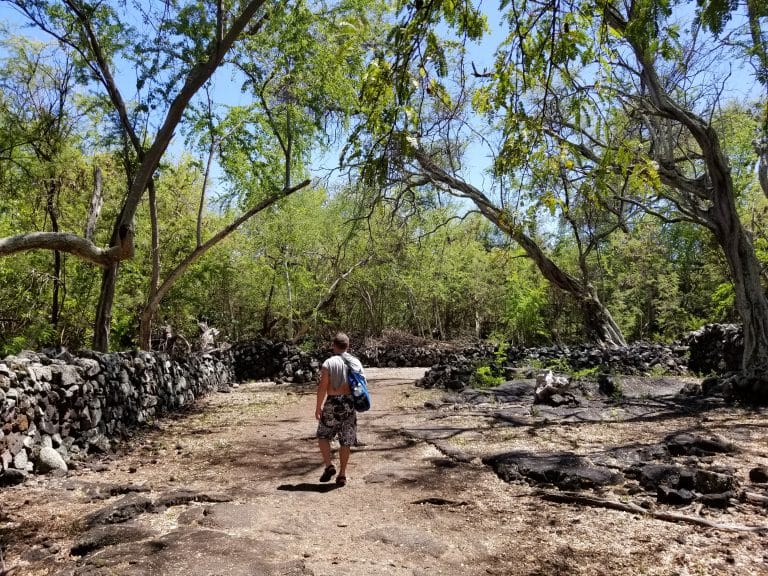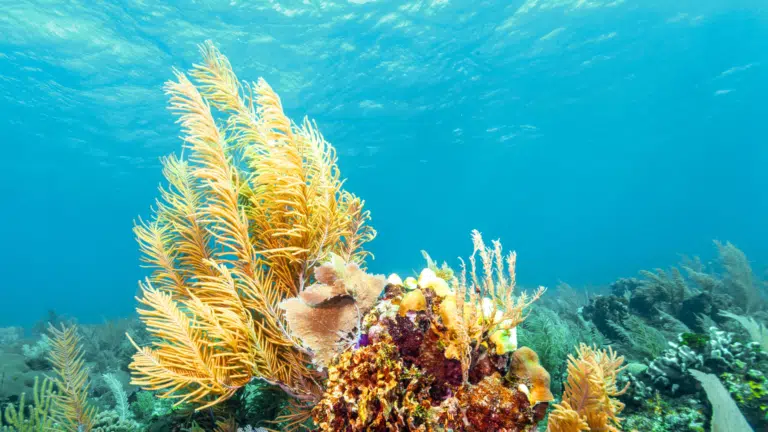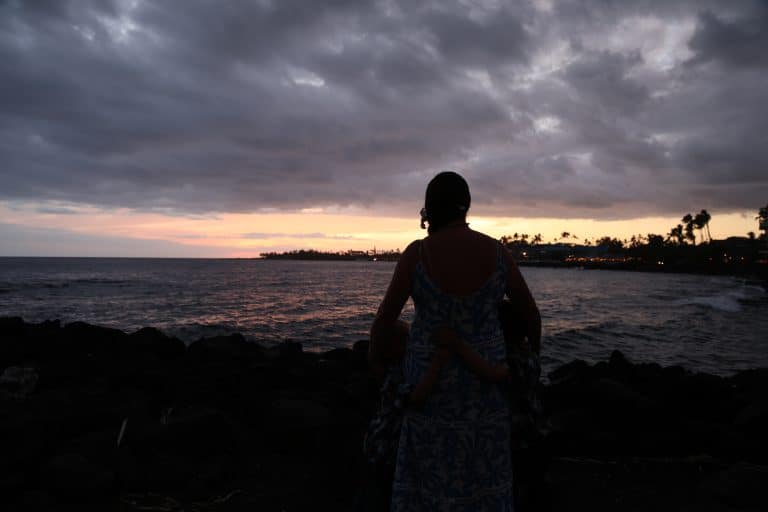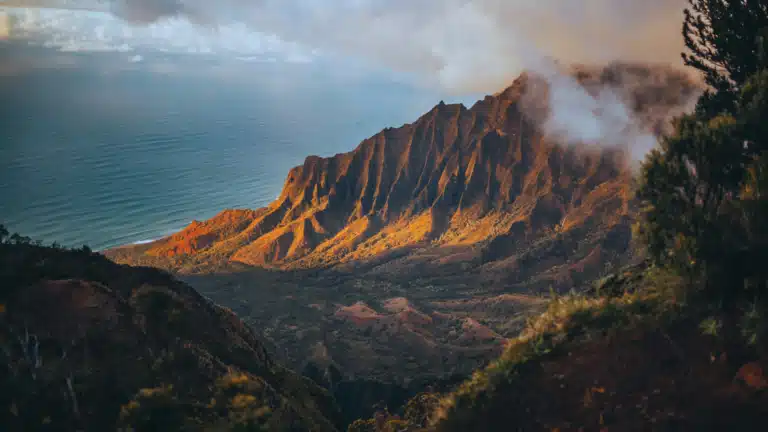
Hawaii is one of those destinations that leaves you wanting more. This Hawaii travel guide for families is here to help you plan every part of your family adventure.
We’ve been lucky enough to explore several of the Hawaiian Islands across multiple trips, and every single time we leave already thinking about when we can go back. In our opinion, Hawaii is one of the best family adventure destinations in the world!
Whether it was standing at the rim of an active volcano on the Big Island, watching the sunset from above the clouds on Mauna Kea, diving with majestic manta rays, or floating over a coral reef while a sea turtle drifted alongside us, Hawaii has delivered some of our most memorable experiences as a family, and it is hands down one of the best destinations in the world for family travel.
This Hawaii family travel guide covers everything you need to plan your trip. We have included entry requirements, the best time to visit, to getting around, budgeting, and what to expect on each island. We cover general information on each island and highlight a few top activities, along with a dedicated section on travelling to Hawaii with kids.
If you are still trying to decide which island is right for you, check out our detailed companion post Which Hawaiian Island to Visit? Find Your Perfect Match. If you have already made your decision, you are in the right place.
Welina mai kākou me ke Aloha — we welcome everyone with Aloha.
Out Roaming Life contains affiliate links and is a member of the Amazon Services LLC Affiliate Program.
If you make a purchase using one of our links, we may receive compensation at no extra cost to you.
We only recommend products and services we trust. Read our disclaimer for more information.
Entry Requirements for Hawaii
For US citizens, Hawaii is a domestic destination and no passport, visa, or special documentation is required beyond a valid government-issued photo ID. You board a flight to Hawaii the same way you would any domestic US flight.
Citizens of Canada and Bermuda, in most cases, can enter with a valid passport.
For international visitors, most eligible countries can enter under the Visa Waiver Program using an approved ESTA (Electronic System for Travel Authorization). ESTA must be applied for online before departure and is typically approved within minutes, though applying at least 72 hours in advance is recommended.
Visitors from countries not eligible for the Visa Waiver Program will need to apply for a US tourist visa through their local US embassy or consulate. Your passport must be valid for the duration of your intended stay.
You can find out more about entry requirements to the United States of America HERE.
Pro Tip
Make copies of your passport (both physical and digital versions) and store them separately from your original. We also photograph our passport with our phone and email it to ourselves. Always verify entry requirements before travel, as regulations can change.
Is Hawaii Safe for Travellers?
Hawaii is one of the safest travel destinations in the United States and is generally very welcoming to visitors. Violent crime rates in tourist areas are low. The Hawaiian culture places a strong emphasis on aloha, a spirit of warmth, respect, and hospitality that you feel from the moment you arrive.
That said, Hawaii has some specific safety considerations worth being aware of, particularly around the ocean and the natural environment.
Ocean Safety in Hawaii
The ocean in Hawaii is beautiful but powerful, and it demands respect. Drowning is one of the leading causes of visitor fatalities in Hawaii, and many incidents involve people underestimating conditions.
Always check surf and ocean condition reports before swimming. Obey warning signs and flags on beaches. Never turn your back on the ocean, particularly on the north shores of any island in winter when waves can be enormous. If you are caught in a rip current, swim parallel to shore rather than fighting it directly.
It’s a good idea to swim on beaches with lifeguards, but if you aren’t take even more care to respect the ocean’s potential furry.
Hiking Safety in Hawaii
Hawaii’s trails can be deceptively challenging. The sun is intense at lower elevations, and conditions can change rapidly at higher altitudes. Bring more water than you think you need, wear sun protection, and stay on marked trails.
The hike down to Captain Cook on the Big Island is a classic example of a trail that looks manageable, but can catch people off guard. Start hikes early to avoid the midday heat. We got pretty crispy on our way back up the trail and ran out of water part way as well (and we brought what we thought was plenty for the distance of the hike).
Wildlife and Environmental Awareness
Hawaiian green sea turtles, Hawaiian monk seals, dolphins, and manta rays are protected species. Do not touch, approach, or chase or touch wildlife under any circumstances. Give sea turtles and monk seals plenty of space on the beach. Removing lava rocks, sand, or coral from Hawaii is both illegal and deeply disrespectful to Hawaiian culture.
Pele’s Curse
Whether you believe it or not, it’s worth knowing about Pele’s Curse before you visit. Pele is the Hawaiian goddess of fire and volcanoes. Legend has it that she places a curse of bad luck on anyone who removes volcanic rocks from the islands. The story goes that after discovering a visitor had taken one of her rocks, Pele’s wrath extended to anyone who dared do the same.
True or not, the curse appears to have made an impression. Hawaii Volcanoes National Park reportedly receives packages regularly from visitors mailing rocks back in hopes of lifting whatever misfortune has followed them home. We’ll leave it up to you to decide whether to test it.
Practical Safety Tips
- Ocean Conditions: Check daily surf reports and heed all beach warning flags before swimming.
- Sun Protection: The Hawaiian sun is intense year-round (even when cloudy) so wear reef-safe sunscreen, a hat, and re-hydrate frequently.
- Hiking: Research your route, tell someone your plans, bring enough water, and start early to avoid midday heat.
- Wildlife: Observe from a respectful distance and never touch protected species (this can not only harm the animal, but result in huge fines for you if caught).
- Valuables: Don’t leave anything visible in rental cars, especially at trailheads.
- Dry Bag for Snorkel Days: It keeps your valuables with you in the water and removes the stress of watching your stuff from the ocean.
- Lava areas: If visiting active lava flows, follow all official guidance, and stay behind barriers.
When is the Best Time to Visit Hawaii?
Hawaii is a year-round destination and there is genuinely no bad time to go. Timing your trip well can make a significant difference to cost, crowd levels, and the experiences available to you.
Peak Season (June to August)
Summer is the busiest and most expensive time to visit Hawaii. School holidays drive high demand, accommodation prices peak, and popular sites like Hanauma Bay, Haleakala, and the Na Pali Coast are at their most crowded.
The weather is reliably warm and dry across most islands during these months. You’ll find that the ocean is calmer on north shores making snorkelling and kayaking excellent, and the longer days give you maximum time for activities.
If you’re visiting in summer, book accommodation, rental cars, and popular experiences as far in advance as possible.
Shoulder Seasons (April to May & September to October)
This is our preferred time to visit. The crowds thin out noticeably, prices drop across accommodation and activities, and the weather is typically excellent.
April and May are particularly good. The water is warm, the landscapes are lush from winter rains, and you avoid the peak summer rush. September and October offer similar benefits with even further reduced crowds.
If you have flexibility on timing, the shoulder season gives you the best balance of good weather, reasonable prices, and manageable crowds.
Winter Season (November to March)
Winter brings two of Hawaii’s most spectacular natural events: whale season and north shore surf season. Humpback whales arrive off Maui from December through April to breed and calve, and this is genuinely one of the most extraordinary wildlife experiences the islands offer.
On the north shores of Oahu, Kauai, and Maui, winter swells produce some of the biggest waves in the world. Rainfall increases across most islands in winter, particularly on north and east facing coasts, but west and south shore beaches remain somewhat calm and sunny on most islands.
Accommodation prices can be lower than summer, outside of the Christmas and New Year peak.
Pro Tip
Book the Haleakala National Park sunrise permit, Hanauma Bay entry, Kalalau Trail camping permits, and the Kona Manta Ray Night Dive and Snorkel as far in advance as you can. They sometimes sell out weeks or months ahead during (during Peak and winter seasons primarily).
Best Places to Visit in Hawaii
Hawaii has six main islands, each with a completely different character. For a comprehensive breakdown of every island including beaches, adventure, visiting with kids, budget, and our personal recommendations, see our full guide: Which Hawaiian Island to Visit? Find Your Perfect Match. Below is an overview of the highlights on each island to help you get oriented.
The Big Island: Our Favourite Hawaiian Island
The Big Island is our top pick. It’s the largest island in Hawaii and with that has more variety of things to do than the other islands. Active volcanoes, black and green sand beaches, lush rainforests, occasionally snowy mountain summits, quaint in-land country town, and world-class dive sites all exist on the same island. The pace is unhurried, the local vibe is more genuine, and the adventure potential is simply unmatched.
➤ Hawaii Volcanoes National Park and Kilauea
One of the most active volcanoes on Earth, with lava tube caves, steaming craters, and glowing calderas. A full day minimum is recommended and it’s spectacular for kids of all ages.
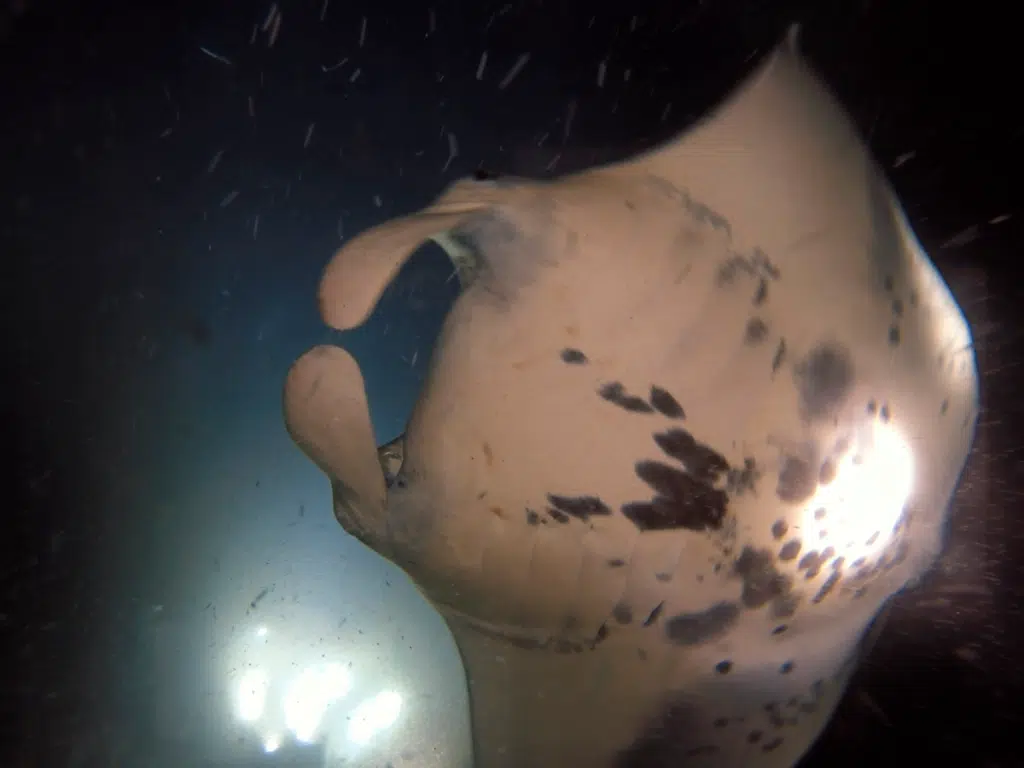
➤ Kona Manta Ray Night Dive and Snorkel
A truly unique wildlife experiences in Hawaii. Snorkelling or diving with giant manta rays at night is surreal (and we’ve done it twice to date).
➤ Snorkel at Captain Cook (Kealakekua Bay) and Two-Step
Crystal clear water, abundant fish, spinner dolphins, and sea turtles right from shore. Two of the best snorkel spots in Hawaii within minutes of each other.
We hiked down to Captain Cook at Kealakekua Bay and it was absolutely worth it. The trail is fairly steep and exposed with little shade, so it is best suited to teenagers and older kids who are comfortable with a more demanding hike. That said, the snorkelling at the bottom is some of the best on the island and a boat tour is a great alternative if the hike is not the right fit for your family.

➤ Hapuna Beach and Punalu’u Black Sand Beach
Hapuna is one of our favourite beaches… It’s wide, white, and stunning. Note there is a parking and entrance fee for Hapuna beach (non-residents only). Punalu’u is a must-visit for its jet-black volcanic sand and resident Hawaiian green sea turtles.

➤ Mauna Kea Visitor Centre Sunset
You don’t need to summit to have a memorable Mauna Kea experience. Watching the sunset from the Visitor Centre at around 2,804 m (9,200 ft) with the clouds below you is one of our favourite Hawaii memories.
Kauai: Our Second Favourite for Raw Natural Beauty
Kauai is the oldest and most dramatically beautiful of the Hawaiian islands. Millions of years of erosion have carved it into a landscape of towering sea cliffs, deep canyons, and lush valleys. It’s smaller and less developed than Maui or Oahu, which is very much part of its appeal. Kauai rewards slow travel and suits adventurers who are happy to get a little muddy.
➤ Na Pali Coast
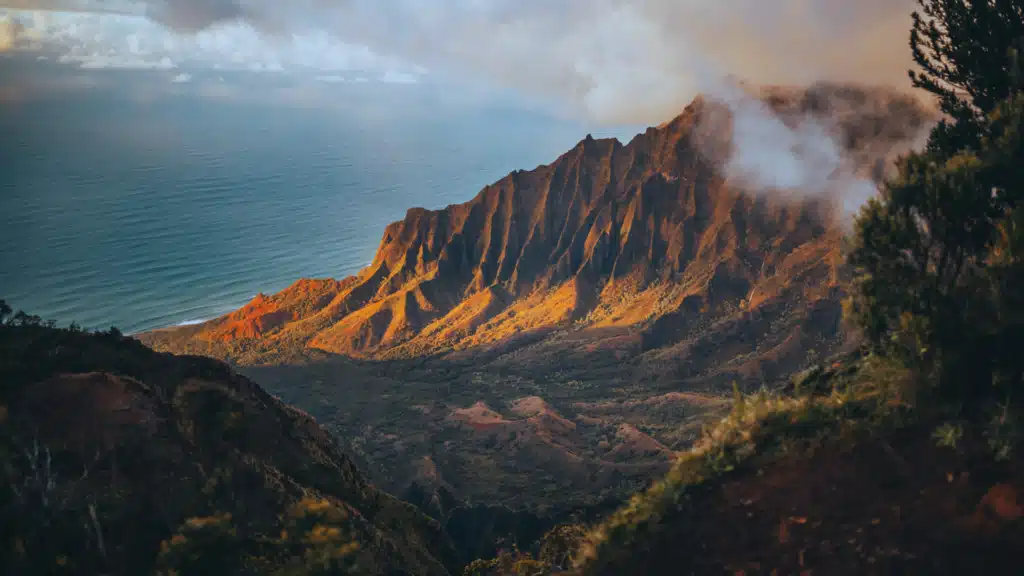
Whether you hike the Kalalau Trail, kayak it, or see it from a boat or helicopter, the Na Pali Coast is simply one of the most breathtaking places on Earth. There is no bad way to experience it.
➤ Waimea Canyon
Often called the Grand Canyon of the Pacific and one of the most stunning viewpoints in all of Hawaii. It’s also a filming location for Jurassic Park and Jurassic World.
➤ Tunnels Beach and Poipu Beach Snorkelling
Tunnels Beach on the north shore offers exceptional snorkelling in summer with an impressive underwater lava shelf. Poipu is reliable year-round and great for all skill levels. Hawaiian Monk Seals also frequent the area.

➤ Wailua River kayak to Secret Falls
Paddle through lush jungle to the stunning Uluwehi Falls. One of the best family-friendly adventures on the island.
➤ Helicopter Tour
Kauai’s inaccessible interior valleys and the Waialeale Crater are virtually impossible to see any other way. If budget allows, a helicopter tour over Kauai is something you’ll never forget.
Maui: Romance, Beaches, and Upcountry Charm
Maui has some of the finest beaches in Hawaii, world-class whale watching, a spectacular volcanic crater, and a well-developed tourism infrastructure that makes it one of the most comfortable islands to visit.
We chose Maui for our babymoon and for that kind of trip it hit every mark. It leans toward the upscale end so if you prefer a more local experience the Big Island or Kauai may suit you better, but for calmer waters, beautiful beaches, romance, and a first-class experience it does the job well.
➤ Road to Hana
This is one of the great scenic drives in the world, with waterfalls, jungle, black sand beaches, and dramatic coastal views around every corner. Start early and take your time.
➤ Haleakala National Park
Watching the sunrise from the summit of this dormant volcano is a genuine bucket-list experience. The crater landscape looks like another planet. Book your sunrise permit well in advance.
➤ Beaches South of Kihei including Maluaka Beach
Our favourite Maui beach area with calmer, more sheltered water. Maluaka Beach is a personal favourite with excellent turtle snorkelling right from shore.

➤ Molokini Crater Snorkelling and Diving
This is a partially submerged volcanic crater with exceptional visibility, often 30 metres or more. It’s considered one of the best snorkel and dive trips in all of Hawaii.
➤ Whale watching (December to April)
Maui is the top whale watching destination in Hawaii. Humpback whales come here to breed and calve, and seeing them breach offshore is unforgettable.
Oahu: History, Culture, and City Energy
Oahu is Hawaii’s most visited island. Here you’ll find iconic history at Pearl Harbor, dramatic hikes, world-class surf on the North Shore, great windward beaches, and the buzz of Honolulu and Waikiki Beach.
We spent less time here than on the other islands as we tend to gravitate toward the less touristy options (babymoon on Maui aside), but Oahu surprised us with how much there is to discover once you venture beyond Waikiki.
➤ Diamond Head Crater Hike
It’s a short, but rewarding hike with panoramic views over Waikiki and Honolulu. Go early to beat the heat and the crowds.

➤ Pearl Harbor
This is one of the most powerful and moving historical sites in the United States. Book the USS Arizona Memorial well in advance and budget at least half a day.
➤ North Shore
Haleiwa town is charming, shave ice is mandatory, and in winter the surfing at Pipeline and Sunset Beach is some of the most dramatic in the world (broken surf board in the trash can testify to this).
➤ Hanauma Bay Snorkelling
This bay is a protected marine sanctuary inside a volcanic crater with exceptional reef life and very calm, clear water. Also, one of the best snorkel experiences in Hawaii. Now adays, advanced booking is required.

➤ Kailua and Lanikai Beach
Located on the windward east side, these are two of the most beautiful beaches on the island and far less crowded than Waikiki. Lanikai, in particular, is postcard-perfect.
Molokai and Lanai: For the Off-the-Beaten-Path Traveller
These two smaller islands are visited by only a fraction of Hawaii’s tourists, which is exactly what makes them appealing to a certain kind of traveller. These are the two islands we haven’t personally had the chance to experience yet, but hope to someday.
➤ Lanai
Lanai is tiny, quiet, and almost entirely owned by tech billionaire Larry Ellison. It has two world-class Four Seasons luxury resorts, virtually no crowds, and some dramatic landscapes including the eerie Garden of the Gods rock formations. It works well as a day trip from Maui via the Expeditions Ferry, or as a short, splurge-worthy overnight stay.
➤ Molokai
Molokai is the most authentically Hawaiian of all the islands, with a strong Native Hawaiian cultural presence and almost no tourist infrastructure by design. There are no traffic lights, no buildings taller than a coconut palm, and the local community has consistently resisted large-scale resort development.
The towering sea cliffs along the north shore are the tallest in the world, and Kalaupapa National Historical Park is one of the most significant historical sites in the state. Molokai is accessible via short inter-island flights with Mokulele Airlines.
Travelling to Hawaii with Kids
Hawaii is one of the best family destinations in the world, and we say that as parents who have taken our boys to quite a few places so far. The combination of natural wonders, beautiful beaches, marine wildlife encounters, and outdoor adventure creates an environment where kids of all ages are engaged and excited.
The Big Island with Kids
The Big Island, in our opinion, is the all-around best Hawaiian islands for travelling with kids. Our boys absolutely loved it and have not stopped asking when we are going back. That’s probably the best endorsement we can give.
Hawaii Volcanoes National Park is a huge hit for kids of all ages. This was one of the highlights of our entire trip. Walking through the lava tube caves had our boys wide-eyed from the moment we stepped inside. Then the steaming volcanic craters and surreal lava landscapes kept them completely engaged all day.
Sadly, we just missed two active eruptions, but stayed until dark and were rewarded with the red glow of hot gas and flames shooting from Halemaʻumaʻu Crater. It was one of those moments where nobody said a word, we all just stood there completely in awe. Budget a full day here without question.
Pu’uhonua o Honaunau National Historical Park, also known as the Place of Refuge, was a wonderful experience for the whole family. Our boys were fascinated by the traditional Hawaiian structures, the enormous carved ki’i pohaku wooden statues, and the stories behind this sacred place of sanctuary. It also sits right next to Two-Step, one of the best shore snorkel spots on the island, making it an easy and rewarding combined stop.
Hapuna Beach is a great family beach. It has a wide sandy shore, calm summer waters, and great boogie boarding conditions from roughly mid-fall through to mid-spring. It gets powerful waves in winter, which makes it less suitable for very young children during that time, but for older kids and confident swimmers it is absolutely exhilarating. Note that Hapuna now charges non-resident visitors $10 for parking and $5 per person entry, so factor that into your day.
Kua Bay is another favourite of ours. It possibly has the most turquoise water we’ve seen anywhere on the island. The powdery sand is stunning, the snorkelling is great when conditions are calm, and boogie boarding is a blast when the waves cooperate. Like Hapuna, entry fees now apply for non-residents at the same rate, so bring some cash or a card. Both beaches are absolutely worth it.
In Kailua-Kona town, Magic Sands is a fun low-tide spot for kids to boogie board and play in the water. It can get pretty wild with a hard shore break so it is better suited to older kids and teenagers. It’s also one of the few in-town beach options and gets busy quickly given its small size.
On the lush east side of the island, Akaka Falls and Rainbow Falls are worth a visit with kids. Akaka Falls in particular is genuinely jaw-dropping, a 135-metre waterfall plunging into a gorge surrounded by dense tropical greenery. Rainbow Falls near Hilo is another easy stop with a beautiful wide cascade that catches the morning light beautifully. Combining both in a single east side day trip works perfectly.
For teenagers and adults, the Kona Manta Ray Night Dive and Snorkel is an experience that lives up to every bit of the hype. It remains one of the most extraordinary wildlife experiences we have ever had and plan to take our boys to experience once they are old enough. If your family has a taste for adrenaline, the Big Island also has some incredible zip-lining operations that deliver serious thrills with stunning views to match.
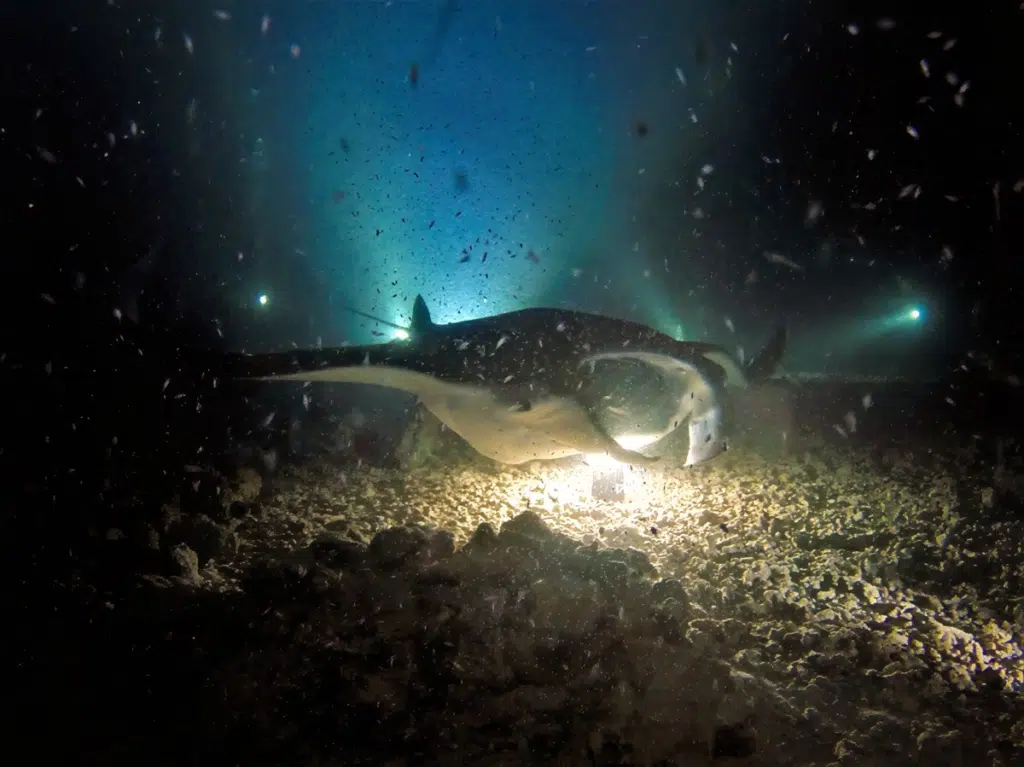
The Big Island is, in our opinion, the best Hawaiian island for families precisely because the variety is so extraordinary. Everything listed here is just scratching the surface of what is waiting for you.
Kauai with Kids
Kauai is a strong choice for families with older kids and teenagers who enjoy light adventure. It also works well for those with younger children thanks to its calm beaches, easy excursions, and relaxed, nature-focused pace.
Highlights include the Waimea Canyon lookout, a genuine wow moment for both kids and adults. The island also offers several family-friendly beaches such as Poipu Beach, Anini Beach, and Lydgate Beach Park, all of which feature calm or protected waters that are ideal for younger swimmers. The Wailua River kayak trip to a hidden waterfall is another great family outing that blends gentle activity with memorable scenery.
Because Kauai is smaller and less developed than Maui or Oahu, it suits families who are comfortable slowing down and embracing a more natural setting. Simple stops like ice cream, shaved ice, and casual local spots such as Bubba Burgers also tend to be easy wins with kids.
While we haven’t yet travelled there with our own boys, we’ve spent time on the island with extended family with small children and found that everyone had a great experience, with the beaches being a particular highlight.
Maui with Kids
We haven’t yet visited Maui with our boys, but we chose it for our Babymoon. We can confirm it’s well suited it is for families with young children. The abundance of calm, sheltered beaches with easy entry was a big part of why we chose it. At seven to eight months pregnant the gentle swimming conditions were exactly what we needed.
The south Kihei coastline in particular offers some of the gentlest water in all of Hawaii. They mostly feature soft sand, minimal shore break, and warm clear water that is ideal for toddlers and young kids still building their water confidence.
Beyond the beaches, Maui’s well developed tourism infrastructure. This makes it one of the easiest Hawaiian islands to navigate with little ones. There are many stroller friendly paths and short driving distances to many main attractions.
The Road to Hana is a great family adventure with short waterfall walks and swimming holes that older kids love. That said, pack the Gravol or Dramamine for the notoriously windy road.

Haleakala National Park is fascinating for older children, and whale watching season from December through April is one of the most magical wildlife experiences you can share with kids of any age.
We are genuinely looking forward to experiencing it all again with our boys one day.
Oahu with Kids
We haven’t visited Oahu with our own boys yet, but like Kauai we have spent time there with extended family including young children. We found Oahu to be very family friendly.
For little ones, Ko Olina Lagoons on the west side were an absolute standout. The four protected man-made lagoons offer exceptionally calm water. It’s also clear with a gradual sandy entry that is as safe and gentle as it gets for babies and toddlers. The kids could have spent the entire trip there and been perfectly happy.
Waikiki Beach is another easy and enjoyable option for families. It has calm conditions, plenty of amenities, and the added bonus of being able to book a first surf lesson right from the sand.
For something quieter and equally stunning, check out Kailua Beach on the windward side. This is one of the most beautiful and family friendly beaches on the island, with calm clear water and a relaxed local atmosphere far removed from the tourist strip.
The North Shore makes for a brilliant family day trip. Turtle spotting at Laniakea Beach is a highlight for kids of all ages and a shave ice stop in Haleiwa is absolutely mandatory. In winter the surf at Pipeline and Sunset Beach is some of the most dramatic in the world and spectacular to watch from shore even with very young children.
Hanauma Bay, while requiring advance booking, is one of the most memorable snorkelling experiences in Hawaii for children who are comfortable in the water.
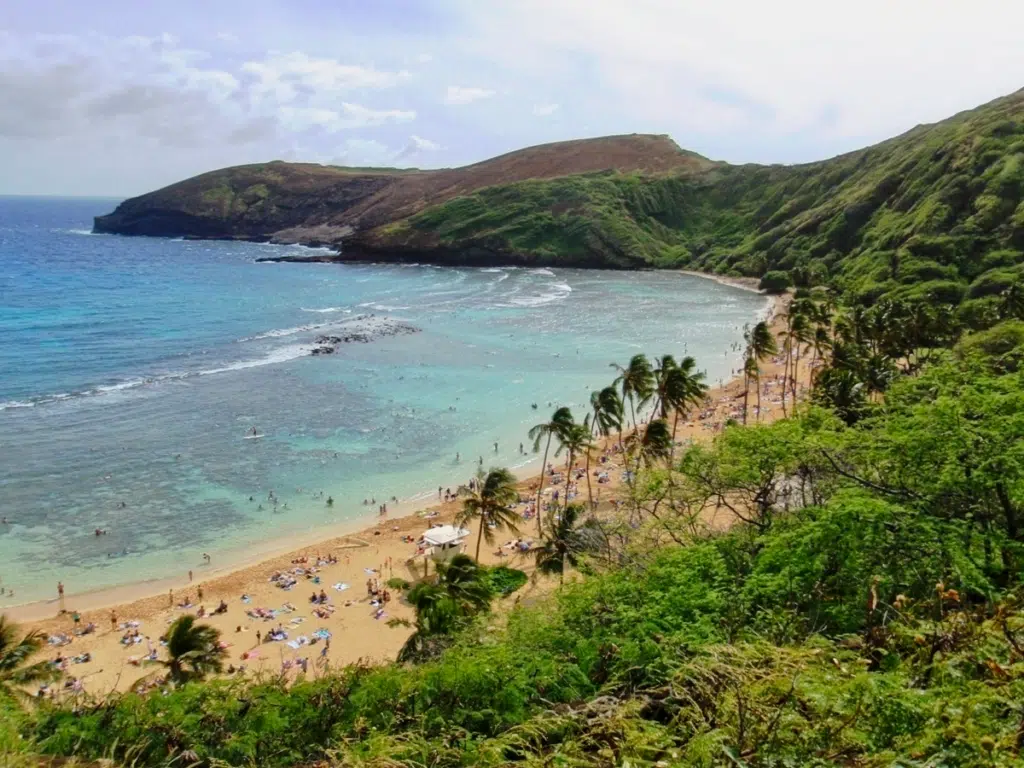
For older kids and teenagers, Pearl Harbor is a powerful and moving educational experience that leaves a lasting impression. Diamond Head is a manageable and rewarding hike that most children handle well, with panoramic views over Waikiki and Honolulu as the payoff at the top.
Oahu has the widest range of family accommodation, dining, and activity options of any Hawaiian island, which makes the logistics of travelling with young children significantly easier.
7 Practical Tips for Hawaii with Kids
1. Ocean safety
Always check conditions before swimming, never turn your back on the ocean, and keep young children well clear of wave wash zones. Hawaii’s ocean is beautiful but powerful, and even calm-looking beaches can have unexpected shore breaks. When in doubt, stay out.
2. Vacation Rental with a Kitchen
Having a kitchen is a game changer for families travelling to Hawaii. Unless it’s just a night or two, we always prioritize a place with a kitchen. It gives you flexibility around meal times, nap schedules, and fussy eaters, which anyone travelling with young kids will appreciate.
3. Shop Smart for Kids
Hit up a Costco, Target, or Walmart on arrival to stock up on snacks, drinks, breakfast foods, and lunch supplies for the kids. Eating out in Hawaii is expensive, so we treat restaurant meals as a treat rather than a daily occurrence. We find a light lunch, a shave ice, or a happy hour snack hits the spot without breaking the budget, leaving more money for the experiences that matter.
4. Nap and Rest Time Matters
It’s easy to over-pack your days, (we’re guilty of this). Build in downtime for kids and don’t underestimate the effect of heat, sun, and excitement on little ones. Some of our best family travel moments have come from slowing down, finding a quiet beach, and letting the kids just play. A well-rested child makes for a much happier travel day.
5. Car Seat and Gear Planning
If you are travelling with young children, factor in whether to bring your own car seat or rent one. Rental car companies offer car seats, but availability is not always guaranteed, and the cost adds up quickly over a week or two.
We recommend bringing your own car seat as it guarantees you’ll have a good one and saves money (plus airlines usually allow them checked for free). A compact travel stroller or folding wagon is also worthwhile, particularly when navigating airports and for flatter walking areas like Kailua-Kona waterfront.
6. Embrace the Early Starts
Kids who wake up early are actually a secret weapon in Hawaii. The best snorkel conditions, the calmest beaches, the emptiest trails, and the most dramatic sunrises all happen in the early morning before the crowds arrive. Lean into the early wake-ups rather than fighting them. Also keep in mind that the time-change may result in your child waking up much earlier in Hawaii and being tired earlier in the evening.
7. Pack a Dry Bag
A dry bag is one of the most useful pieces of kit you can bring to Hawaii with kids. It keeps your phone, wallet, keys, snacks, and any other valuables safe and dry while you are in the water or on the beach, removing the stress of leaving things unattended on shore. It also doubles as a waterproof bag for wet swimsuits and sandy gear on the way home from the beach, which anyone travelling with kids will know is an absolute necessity.
How to Get to Hawaii
Countries with direct or one-stop access to Hawaii are the United States, Canada, Japan, Australia, and South Korea. That said, you can make your way to Hawaii from anywhere in the world!
Airports in Hawaii
Here are the main airports serving the Hawaiian Islands. Note that there are also smaller regional airports not listed below.
Big Island of Hawaii Airports: The leeward west side is served by Ellison Onizuka Kona International Airport (KOA), and the windward east side is served by Hilo International Airport (ITO).
It is generally cheaper to fly into KOA. The drive across the island via the Daniel K. Inouye Highway (Route 200), also known as Saddle Road, is a scenic and interesting journey that takes roughly 1.5 hours.
Maui Airport: Kahului Airport (OGG) serves Maui and is located on the north shore of the island. To reach the west shore you need to drive down and around the West Maui Mountain Range, which takes around 45 minutes to an hour depending on traffic. To reach the south shore, simply head south from the airport toward Kihei, which is a straightforward 20-30 minute drive.
Oahu Airport: Daniel K. Inouye International Airport (HNL) in Honolulu serves as the major international gateway not only for Oahu, but for the entire Hawaiian island chain. The bulk of international flights to and from Hawaii pass through HNL, making it the most connected airport in the state.
Kauai Airport: Lihue Airport (LIH) is the main airport on Kauai. It is worth noting that Lihue is not a full international airport as it does not have its own customs facility.
LIH does accept some direct flights from outside the US, but only from departure points where US Customs pre-clearance is available (such as certain Canadian airports). If your departure point does not offer pre-clearance, you will fly into Honolulu first for customs processing before continuing on to Kauai.
Cruises to Hawaii
Another option for getting to Hawaii is by cruise ship, which can turn the journey itself into part of the vacation. While most travellers fly to the Hawaiian Islands, several cruise itineraries include Hawaii as part of a longer Pacific voyage, often departing from cities along the west coast of the United States or occasionally from Vancouver, British Columbia.
Most cruises visiting Hawaii stop at major ports including Honolulu on Oahu, Kahului on Maui, Hilo and Kailua-Kona on the Big Island, and Nawiliwili on Kauai.
Keep in mind that cruise travel to Hawaii generally requires significantly more travel time than flying, with many itineraries lasting between 10 and 18 days depending on the departure point and route.
How to Get Around Hawaii: Transportation Options
Inter-Island Flights
Inter-island flights are the primary way to move between islands and most are 30-50 minutes. Look for direct flights to avoid wasting time touching down at another airport first.
Hawaiian Airlines and Southwest Airlines operate the main routes between the four main islands. Mokulele Airlines serves Molokai and Lanai with small aircraft. Book inter-island flights at the same time as your accommodation as prices rise significantly closer to travel dates.
Renting a Car in Hawaii
A rental car is essential on the Big Island, Maui, and Kauai. Public transport on these islands can be too limited to be practical for most visitors. Without a car you will miss most of what makes them special.
Book your rental car as early as possible. Hawaii rental car prices can be among the highest in the United States and during peak periods availability disappears fast. That said, you can sometimes score great last minute deals as well.
On the Big Island, a 4WD is recommended if you plan to drive the Mauna Kea summit road. Otherwise 4WD isn’t necessary.


Public Transportation in Hawaii
Public transportation is available on all four major Hawaiian Islands. That said, the quality, coverage, and convenience can vary significantly depending on where you are visiting.
➤ Buses on the Big Island
The Big Island offers a free public transportation system called the Hele-On Bus, with routes connecting communities across Hawaiʻi Island including Kona and Hilo. Service operates Monday through Saturday, and all buses are wheelchair accessible.
While useful for reaching certain towns and attractions, public transit on the Big Island is fairly limited and travel times can be long due to the island’s size. Be sure to review schedules carefully when planning your itinerary.
➤ Buses on Kauai
Kauai’s public transportation system, The Kauaʻi Bus, operates daily on major routes between Kekaha on the west side and Hanalei on the north shore. Fares are affordable, making it a budget-friendly option for getting between select towns and communities.
That said, service is fairly limited and is generally not recommended as the primary way to explore the island. Visitors hoping to reach beaches, hiking trails, and more remote areas will find a rental vehicle more practical.
➤ Buses on Maui
Maui’s public transit system, known as the Maui Bus, can be an affordable option for getting around certain parts of the island. Route maps and schedules are available online, and low-cost day passes make it a budget-friendly choice for travellers.
The bus system works best in popular west and south Maui areas such as Kaʻanapali, Lāhainā, and Kīhei. Travel times can be longer due to frequent stops and limited routes, making it less practical for exploring the entire island.
➤ Buses on Oahu
Oahu has the most extensive public transportation system in Hawaii, making it one of the easiest islands to explore without renting a vehicle. The island’s bus network, known as TheBus, services Waikiki, Honolulu, Pearl Harbor, the North Shore, and many popular attractions. Affordable fares and day passes make it a great option for visitors.
For travellers staying mainly in Waikiki or Honolulu, public transit can be a convenient alternative to driving and parking. We have used TheBus ourselves and found it to be an easy and reliable way to get around during shorter stays on the island.
Rideshare Options in Hawaii
Big Island: Rideshare services including Uber and Lyft are available mainly around Kona and Hilo. Availability can be limited outside the main tourist areas, and wait times may be longer due to the island’s size. Taxi services are also available near airports and major resorts.
Kauai: Uber and Lyft operate on Kauai, particularly around Lihue, Poipu, Kapaa, and Princeville. Service is more limited in rural areas, especially later in the evening. Taxi services are available near the airport and resort areas.
Maui: Rideshare services such as Uber and Lyft are available in many of Maui’s main tourist areas including Kahului, Kihei, Wailea, and west Maui. Taxi services are also available near airports, resorts, and busy visitor areas.
Oahu: Uber and Lyft are widely available across Oahu, especially in Honolulu and Waikiki. Taxi services are also easy to find at airports, hotels, and major attractions, making it possible for many visitors to get around without renting a vehicle.
Organized Tours
For certain experiences, booking through an established tour operator is the best or only option.
Na Pali Coast boat tours, Molokini Crater snorkel trips, the Kona Manta Ray Night Dive and Snorkel, helicopter tours over Kauai and the Big Island, and whale watching cruises off Maui all benefit from the expertise and safety of established operators. Book through reputable companies with verified reviews.
Where to Stay in Hawaii: Accommodation Guide
Hawaii offers accommodation options across every style and budget, from beachfront resorts to vacation rentals, boutique B&Bs, and campgrounds. Understanding the options helps you choose what fits your priorities and budget.
Understanding Hawaii’s Accommodation Types
➤ Hostals
For solo budget travellers, hostels are a great way to save money and meet fellow adventurers. They are generally not well suited to families due to limited privacy and shared amenities. If you are travelling solo or as a couple on a tight budget, each major island has hostel options worth considering.
➤ Boutique Hotels & B&Bs
A great middle ground, particularly in areas like Kailua-Kona on the Big Island, Hanalei on Kauai, and upcountry Maui. These properties tend to be locally owned, full of character, and priced somewhere between vacation rentals and full resorts. A good option if you prefer a more personal experience without the scale of a large hotel.
➤ Vacation Rentals
Our top recommendation for families and budget-conscious travellers. Having a kitchen allows you to self-cater. Shop at Costco, Target, or Walmart on arrival, which makes an enormous difference to your overall trip cost. The options are endless, ranging from simple studios with kitchenettes to multi-bedroom luxury homes with private pools.
For most families, the sweet spot is a mid-range condo with a kitchen, a comfortable living area, and a pool on site for some downtime between adventures. That is typically what we look for and it hits the right balance of comfort, flexibility, and value.
➤ Resorts and Luxury Hotels
Hawaii has some of the most spectacular resort properties in the world. Most are along the Kohala Coast on the Big Island, in Wailea on Maui, and in Poipu on Kauai. They are undeniably beautiful and the amenities are world class, but always check the total price before booking.
Resort fees of $30-$60 USD per night are common on top of the room rate, and parking charges of $25-$35 USD per night are frequently added on top of that. What looks like a reasonable nightly rate can climb quickly once all the extras are factored in.
➤ Camping
Hawaii has excellent camping on all the main islands. There’s beachside campgrounds on the Big Island and dramatic Kalalau Trail campsites along Kauai’s Na Pali Coast. Permits are required for most campgrounds. These should be booked well in advance, particularly for popular sites which fill up fast.
Camping in Hawaii is generally safe, but a few things are worth keeping in mind. It’s best to stick to designated, permitted campsites. Also, theft from campsites and vehicles is not unheard of, so keep valuables out of sight and never leave anything unattended.
Natural hazards including flash floods and ocean surges are also a consideration, particularly on coastal and north-facing sites. As with camping anywhere, a little preparation and situational awareness go a long way.
Accommodation Costs by Island
Here’s a rough guide to what to expect for nightly accommodation costs across the islands, based on double occupancy (in USD):
| Island | Budget/night | Mid-Range/night | Luxury/night | Notes |
|---|---|---|---|---|
| Big Island | $90–$160 | $160–$320 | $300–$700+ | Kohala Coast resorts at high end |
| Kauai | $120–$200 | $200–$400 | $400–$800+ | Limited supply pushes prices up |
| Lanai | N/A | N/A | $600–$1,500+ | Four Seasons and Hotel Lanai only |
| Maui | $150–$250 | $250–$450 | $450–$1,000+ | Most expensive main island |
| Molokai | $80–$130 | $130–$200 | N/A | Very limited options |
| Oahu | $80–$150 | $150–$300 | $300–$600+ | Widest range, most competition |
6 Accommodation Tips Across Hawaii
- Book early: Booking early gives you the best selection and the best prices, particularly for peak season travel. If you find yourself booking last minute, deals do often start to appear within a week or two of arrival.
- Consider location carefully: Take time to research the different areas of each island before booking. Some areas are close enough together that you can base yourself in one spot and easily day trip to others. On larger islands like the Big Island the distances are significant.
- Factor in additional fees: The nightly rate you see listed is rarely the final price you pay. Hawaii accommodation bookings frequently include additional taxes, cleaning fees, service charges, and resort or parking fees that are not always visible upfront. Before confirming any booking, read the full breakdown carefully and contact the property directly if anything is unclear. Knowing the true total cost before you book saves a lot of frustration later.
- Vacation rentals with a kitchen: Paired with a Costco, Target, or Walmart shop on arrival. This is the single most effective way to reduce your overall trip cost. We sometimes sneak a few pantry staples into our checked luggage to hit the ground running. Things like salt, ketchup, and peanut butter, since we don’t need Costco-sized quantities and prefer to avoid multiple stops right off the plane.
- Waikiki caution: Staying in Waikiki significantly inflates accommodation costs on Oahu. Venturing slightly outside the tourist strip offers much better value. You don’t need to sacrifice convenience, and in many cases this gives you a more enjoyable and local experience.
- On the ocean or slightly off: It’s worth considering if paying a premium for an oceanfront property is necessary. If you plan to spend most of your time out exploring, the extra cost of a direct ocean view may not be as worthwhile.
Remember… Saving on accommodation means more budget freed up for excursions, activities, and eating out, which for most adventure-focused families is where the real memories are made. For us, it is almost always the latter.
Currency and Money Matters in Hawaii
Hawaii uses the US dollar throughout. If you are a US resident, then you don’t need to worry about currency exchange. If you aren’t (like us), then you can either exchange for USD before departing or withdraw upon arrival from an ATM.
Credit Cards & Cash
Visa and Mastercard are accepted universally. We suggest carrying some cash for smaller local vendors, farmers markets, roadside food trucks, and tips. ATMs are available on all main islands (limited availability on Lanai and Molokai).
If visiting from outside the US, notify your bank before travelling to avoid card blocks on overseas transactions.
Tipping Culture
Hawaii follows standard US tipping expectations. At restaurants, 15-20% is the norm for good service. At bars, $1-2 per drink is standard. Tour guides and activity leaders appreciate $10-20 per person for a great experience. For housekeeping, $3-5 per night is a thoughtful acknowledgement of the work involved.
Hawaii’s service industry workers rely on tips as a meaningful part of their income, and tipping generously where service warrants it is very much appreciated. That said, tipping reflects the service you received, not an automatic obligation.
These are guidelines for good service, not a mandatory surcharge. If the experience did not meet expectations, adjust accordingly.
Points & Travel Cards
Hawaii trips will be expensive, which makes them excellent candidates for travel credit card points redemption. If you’re not already collecting travel points, a Hawaii trip is a strong motivation to start.
Personally, we use a credit card that offers points per spend and every few years we have enough for round trip flights for the four of us! Look for a credit card that offers the best point system with the most flexible booking options (some can make booking a real hassle by limiting how you can book).
Planning Your Budget: What Does Hawaii Really Cost?
Hawaii is not a budget destination by any measure, and it’s worth setting realistic expectations before you go. The difference between a budget trip and a mid-range trip is largely about accommodation.
All figures are approximate and per person per day, based on double occupancy (in USD).
| Travel Style | Daily Budget (pp) | What It Covers |
|---|---|---|
| Budget | $150–$200 USD | Vacation rental with kitchen, Costco groceries, free beaches and hiking, budget accommodation outside resort areas |
| Mid-Range | $200–$400 USD | Comfortable hotel or vacation rental, mix of self-catering and dining out, some paid activities and tours |
| Luxury | $400–$800+ USD | Resort accommodation, fine dining, private tours, helicopter experiences, premium activities |
Keep in mind this Hawaii travel guide provides estimates only. What you actually spend may vary drastically depending on your specific destinations, season, transportation choices, and travel style.
The good news is that its most memorable experiences — beaches, hiking, wildlife, sunsets, and the natural landscape — are largely free.

8 Money Saving Tips for Hawaii
1. Visit in Shoulder Season
April to May and September to October offer excellent weather. Combined with fewer crowds, and accommodation and activity prices that can be 20-30% lower than peak summer rates. May is one of our favourite months to visit!
2. Stay in a vacation rental with a kitchen
This single decision can save a family hundreds of dollars over the course of a trip. Eating out is VERY expensive. We primarily eat-in. We’ll instead have a special dinner or two, a few lunches, and treats every few days to keep in vacation mode!
3. Shop at Costco, Target, or Walmart on arrival
As mentioned a few times, this is a game changer to save money! Available on all four major islands. Stock up on groceries, sunscreen, snacks, and drinks. The savings compared to resort area shops are significant.
4. Take advantage of happy hours
Happy Hour (or pau hana meaning “finished work” and a time for drink!) can offer significant savings. This is a common feature at many bars and restaurants across the Hawaiian Islands chain.
5. Focus on free activities
Hawaii’s best experiences are largely free. Beaches, hiking, waterfalls, sunsets, and wildlife spotting all cost nothing or very little.
6. Book inter-island flights early
Prices rise dramatically as departure dates approach. Book at the same time as your accommodation for the best fares. That said, you can score some great last minute deals if your vacation days are flexible!
7. Choose the Big Island or Oahu for budget value
Both offer a wider range of affordable options than Maui or Kauai.
8. Pack reef-safe sunscreen and after-sun gel from home
Significantly cheaper at home than in Hawaii resort shops. Pack enough for the whole trip. That said, places like Costco, Target, and Walmart can have pretty fair prices on these items.
8 Things to Know When Travelling to Hawaii
In this Hawaii travel guide, we suggest 8 key things you should know when travelling to Hawaii. Following them will help you to have an enjoyable, stress-free adventure!
1. Respect the Land and Hawaiian Culture
Hawaii has a rich culture that locals take seriously. The relationship between Native Hawaiians and their land is deep and sacred. Don’t remove lava rocks, sand, or coral from Hawaii. It’s illegal and deeply disrespectful (and Pele may curse you for taking her rocks!).
Stay on marked trails. Honour sacred sites by observing quietly and following all posted guidelines. The aloha spirit is real and valued!
2. Ocean Safety is Seriously
The Pacific Ocean surrounding Hawaii is beautiful and powerful in equal measure. Check surf and ocean condition reports every day before swimming. Obey all beach warning signs and flags.
Never turn your back on the ocean, particularly on north-facing shores in winter. Rip currents are common so if caught in one, swim parallel to shore. When in doubt, it’s best not to go in (especially your little ones).
3. Reef-Safe Sunscreen is Legally Required
Hawaii has banned sunscreens containing oxybenzone and octinoxate, which are harmful to coral reefs. Mineral sunscreens using zinc oxide or titanium dioxide are the legal and reef-safe alternative. The Hawaiian sun is intense at all times of year and we’ve been burned many times even on cloudy days!
4. Book Popular Experiences Well in Advance
Several of Hawaii’s most sought-after experiences have limited daily capacity and sell out weeks or months ahead. The Haleakala National Park sunrise permit, Hanauma Bay snorkelling entry, Kalalau Trail camping permits, and the Kona Manta Ray Night Dive and Snorkel all require advance booking. Don’t leave these until you arrive (although we have got lucky during shoulder season).
5. Hawaii is Expensive — Plan and Budget Accordingly
Hawaii consistently ranks as one of the most expensive states in the US. It has the highest costs for groceries, accommodation, dining, and activities. Going in with a realistic budget and a plan to manage costs makes the difference between a stressful trip and a wonderful one. It is absolutely worth every dollar.
6. Learn a Few Simple Hawaiian Phrases
Making even a small effort to use Hawaiian words and phrases is appreciated by locals. Hawaiian is a living language and its revival is something Native Hawaiians feel deeply about. A few words worth knowing:
- Aloha — hello, goodbye, love, and the spirit of warmth and welcome that defines Hawaiian culture
- Mahalo — thank you
- Ohana — family
- Keiki — children
- Mauka — toward the mountain (used for directions)
- Makai — toward the ocean (used for directions)
- Welina — warm greeting of welcome
Using mahalo instead of thank you, or greeting someone with aloha, costs nothing and goes a long way. Locals notice and appreciate the effort.
7. Hawaii Moves at Its Own Pace — Embrace It
One of the most common mistakes visitors make is trying to pack too much into every day and then feeling frustrated when things don’t run to a tight schedule. Hawaii operates on what locals affectionately call Hawaiian Time, which is a relaxed, unhurried approach to life that is very much part of the culture.
The best thing you can do, especially when travelling with kids, is build buffer time into every day, lower your expectations around rigid scheduling, and let the islands set the pace. Some of our best Hawaii moments happened because we slowed down and let the day unfold naturally.
8. Can You Drink Tap Water in Hawaii?
Tap water in Hawaii is generally safe to drink and meets strict U.S. safety standards. On most of the major islands, including Oahu, Maui, Kauai, and the Big Island, municipal water systems are regularly tested and treated, making it comparable in quality to tap water in most North American cities. Many hotels, restaurants, and public spaces will readily provide tap water on request, and visitors can usually refill reusable bottles without concern.
That said, water quality can vary in more remote or rural areas, particularly where private systems, rain catchment, or older infrastructure may be in use. In these cases, some travellers prefer bottled or filtered water as a precaution, but for the vast majority of visitors staying in developed areas, tap water is perfectly safe to drink.
Family Travel Itinerary for Hawaii
We know that planning the day-by-day details of your Hawaii trip can feel overwhelming, so we are putting together dedicated itinerary guides for each island to make it easier. Each one is built around real family experience, with honest advice on pacing, must-sees, and how to make the most of your time whether you have five days or two weeks.
We are building these out island by island, so check back as we add more. Here is what is available so far:
Final Thoughts For Your Family’s Hawaii Adventure
We hope this Hawaii travel guide has given you a solid foundation for planning your family adventure. Whether you are drawn to the raw adventure of the Big Island or the dramatic natural beauty of Kauai. From the world-class beaches of Maui to the vibrant energy of Oahu, Hawaii delivers something truly special on every island and for every age.
What makes Hawaii so remarkable for families is that the big moments are everywhere. It might be your child’s face the first time they spot a sea turtle in the wild. Or maybe standing together at the rim of an active volcano. What about watching manta rays glide beneath you in the dark ocean? These are the kinds of experiences that stay with kids long after the tan fades (and with parents too).
The hardest part is always choosing where to start. If you are still working that out, our guide to Which Hawaiian Island to Visit will help you narrow it down. And if the Big Island makes your list, do not miss our post on the Kona Manta Ray Night Dive and Snorkel.
Bottom line is: Go at your own pace, respect the land, embrace the aloha spirit, and make it yours. Hawaii has a way of getting under your skin, and something tells us it will call your family back too.
If you enjoyed our Hawaii Travel Guide, please pin it on Pinterest, save it, and share it with anyone else who might be dreaming of a family adventure in Hawaii!
The loveliest fleet of islands that lies anchored in any ocean.
Mark Twain